从样品到量产的灵活支持

phone +86 13163919000email info@xinmeiintelligent.com

logo

如何为您的工厂选择可靠的数控加工中心制造商

  • 数控加工中心
  • 数控机床供应商
Posted by XINMEI On Aug 17 2026

如何为您的工厂选择可靠的数控加工中心制造商

对于依赖稳定加工质量、生产效率和设备长期可靠性的工厂来说,选择CNC加工中心制造商是一项战略决策。

CNC 加工中心不仅仅是一台机床。它是制造过程的基础,包括:

  • 部分分析
  • 加工工艺设计
  • 夹具开发
  • 工具选择
  • 机器配置
  • 质量检查
  • 生产优化
  • 自动化规划
  • 对于生产阀体、水龙头零件、门五金、汽车零部件、连接器和精密机械零件等工业零部件的制造商来说,选择合适的 CNC 制造商可以直接影响:

  • 生产能力
  • 产品一致性
  • 制造成本
  • 设备利用率
  • 未来的自动化机遇
  • 一个专业的CNC加工中心制造商应该提供的不仅仅是标准设备。制造商应有能力了解客户应用、优化加工工艺、开发合适的配置并支持安装后的生产。

    鈊美智能专注于数控加工设备、专用数控机床以及工业生产环境的智能制造解决方案。公司根据实际制造需求提供数控加工中心、定制加工解决方案以及自动化集成。

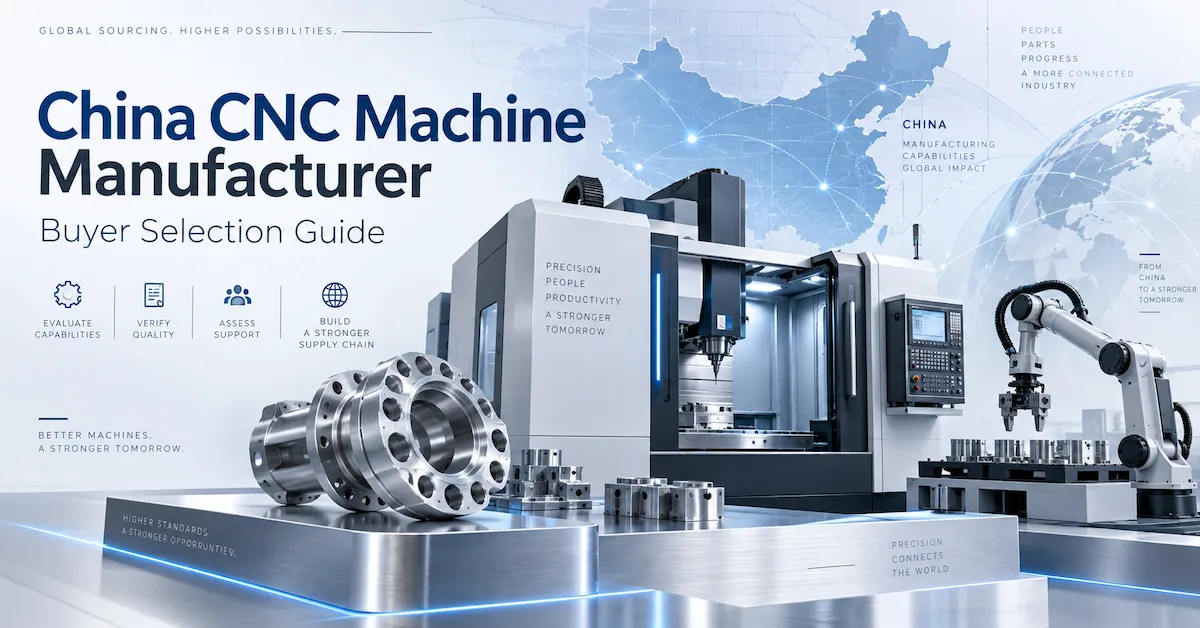
    数控加工中心制造商指南

    数控加工中心制造商与供应商与经销商

    制造商在购买数控设备之前,应了解数控加工中心制造商与其他类型设备提供商之间的区别。

    虽然这些术语有时可以互换使用,但它们的功能可能非常不同。

    对于标准 CNC 采购,不同的采购渠道可能适合。

    但是,当工厂需要时:

    • 定制加工解决方案
    • 特殊用途机器
    • 自动化生产系统
    • 流程优化
    • 长期技术支持

    直接与 CNC 加工中心制造商合作可以减少沟通问题和技术风险。

    关键问题不仅应该是:

    “您能提供哪种机器型号?”

    应该是:

    “您的制造能力如何帮助改进我们的生产流程?”

    为什么选择 CNC 制造商时工厂能力很重要

    一家专业的CNC加工中心制造商应该具备强大的内部制造能力。

    这包括:

    • 机器设计
    • 机械装配
    • 电气集成
    • 精度调整
    • 性能测试
    • 生产验证

    拥有完整生产能力的制造商可以更好地控制:

    机器结构质量

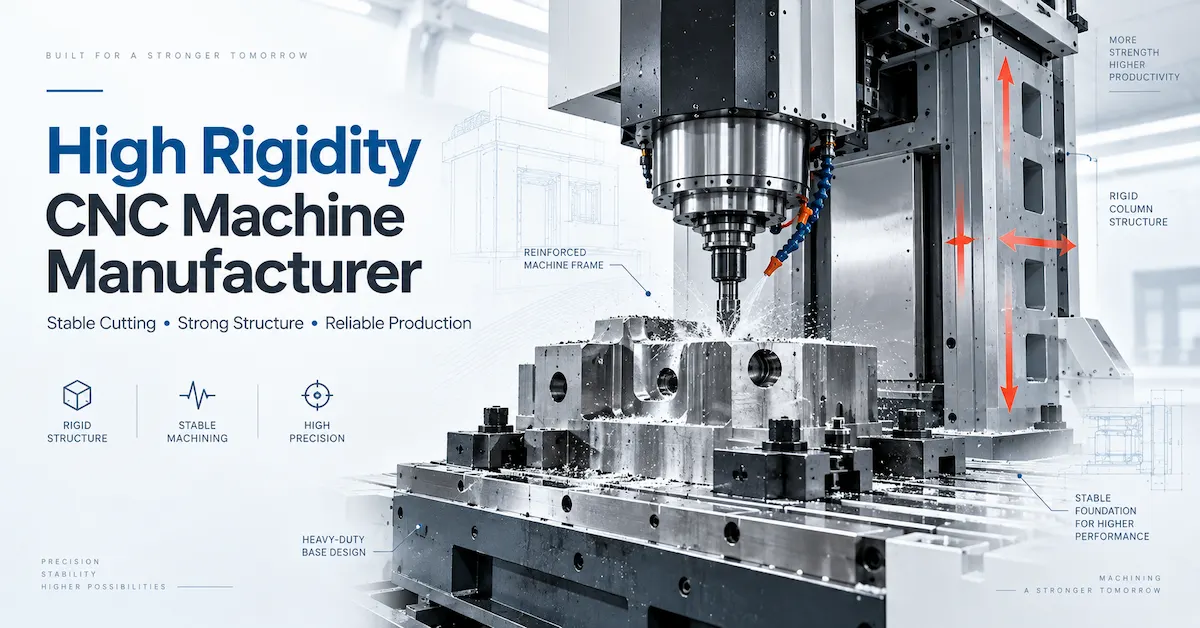
    机器结构影响:

  • 刚性
  • 稳定性
  • 振动控制
  • 长期加工性能
  • 对于工业生产,机器稳定性往往比短期最大规格更重要。

    组装能力

    精密 CNC 设备需要仔细组装:

  • 机械组件
  • 传输系统
  • 主轴系统
  • 电气系统
  • 控制系统
  • 组装不当会影响:

  • 准确度
  • 重复性
  • 使用寿命
  • 测试能力

    在发货前,数控机床应经过验证程序以确认:

  • 机器操作
  • 轴移动
  • 加工性能
  • 安全功能
  • 生产稳定性
  • 鈊美智能围绕实际工业应用,结合机械制造、工艺工程和生产需求,开发数控设备。

    数控加工中心制造商工程能力

    机械制造商和简单的设备销售商之间的主要区别在于工程能力。

    工业买家通常不仅仅需要一台机器。

    他们需要生产解决方案。

    专业的CNC制造商应该分析:

    零件要求

    工程团队应该了解:

  • 组件图
  • 材料特性
  • 加工功能
  • 所需的容差
  • 表面要求
  • 不同的零件需要不同的加工策略。

    例如:

    阀体可能需要:

    • 钻孔
    • 点击
    • 铣削
    • 线程处理
    • 多面加工

    汽车零部件可能需要:

    • 更高的重复性
    • 稳定的周期时间
    • 持续生产能力

    连接器组件可能需要:

    • 精准定位
    • 小特征加工
    • 严格的尺寸控制

    加工工艺规划

    在推荐设备之前,CNC 制造商应评估:

    • 加工顺序
    • 设置数量
    • 灯具设计
    • 切割工具
    • 刀具路径
    • 自动化可能性

    减少不必要的操作往往是提高生产效率最有效的方法之一。

    例如,用更加集成的流程替换多个独立的加工步骤有助于减少:

    • 处理时间
    • 重复定位
    • 操作员参与
    • 生产变化

    夹具和工件夹具开发

    夹具设计是 CNC 加工性能的关键因素。

    可靠的 CNC 加工中心制造商应考虑:

  • 工件定位
  • 夹紧稳定性
  • 工具辅助功能
  • 加载效率
  • 重复性
  • 如果夹具设计不合适,即使是高性能的数控机床也无法实现稳定生产。

    数控加工中心产品能力

    专业的CNC加工中心制造商应根据不同的生产要求提供不同的机床解决方案。

    鈊美的设备组合包括数控加工中心、专用数控机床、磨削设备和自动化解决方案。

    立式 CNC 加工中心

    立式加工中心采用立式主轴配置,广泛用于:

    • 钻孔
    • 点击
    • 铣削
    • 一般精密加工

    它们适合有以下要求的制造商:

    • 灵活生产
    • 高效设置
    • 操作便捷
    • 稳定的批量加工

    鈊美提供立式数控钻孔攻牙机设计适用于工业批量生产,包括五金、卫浴、汽车零部件和其他金属加工行业的应用。

    卧式加工中心

    卧式加工中心采用卧式主轴结构,通常考虑用于:

    • 多面加工
    • 减少重新夹紧
    • 大批量生产
    • 自动化加工单元

    对于需要在多个表面上加工的部件,卧式加工解决方案可以通过减少不必要的工件处理来提高效率。

    鈊美开发卧式加工中心解决方案,适用于灵活的生产环境、多工位加工和自动化集成。

    专用数控机床

    标准 CNC 机床并不总是专用生产的最佳选择。

    对于需求稳定的大批量零部件,专用数控机床可以提供:

  • 专用加工工艺
  • 优化的生产流程
  • 减少操作员参与
  • 提高生产一致性
  • 鈊美为需要定制生产设备的制造商提供专用数控机床解决方案

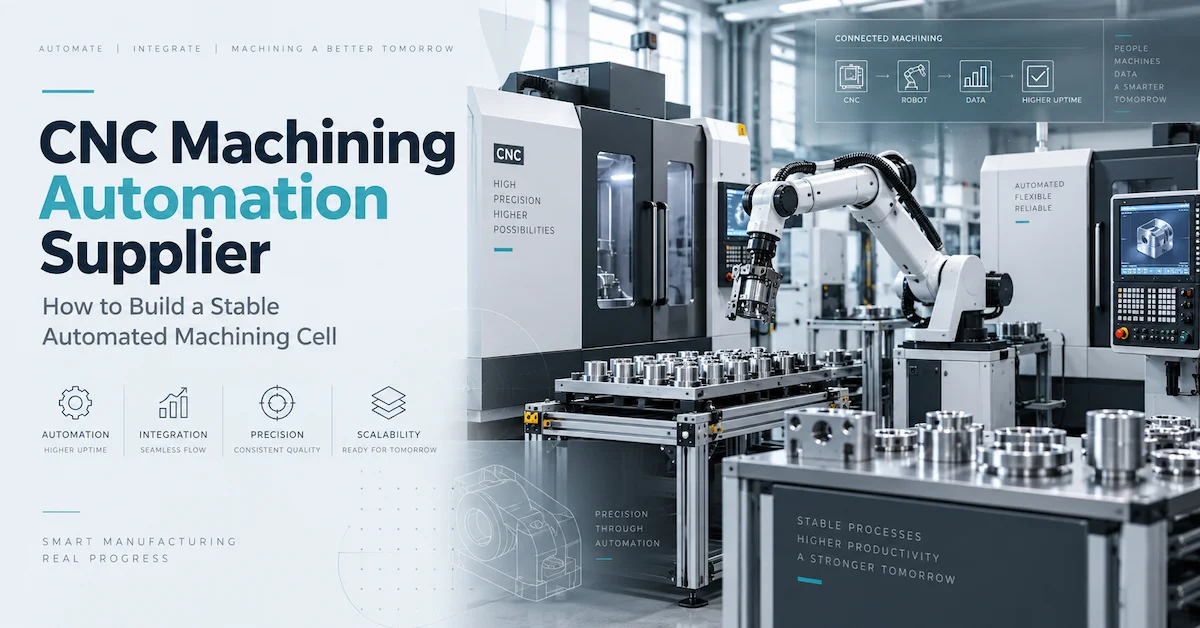
    数控自动化和智能制造解决方案

    现代工厂越来越需要能够支持自动化升级的 CNC 系统。

    专业的CNC加工中心制造商应考虑未来扩展的可能性,包括:

    • 机器人装卸
    • 自动物料处理
    • 数控生产单元
    • 自动化装配系统
    • 集成生产线

    自动化可以帮助制造商改进:

    • 生产一致性
    • 设备利用率
    • 劳动力效率
    • 制造商实现可扩展性

    鈊美为工业客户提供将加工设备与智能生产系统相结合的数控自动化解决方案

    CNC 加工中心制造流程:从设计到生产验证

    专业的数控加工中心制造商应该拥有结构化的制造流程,确保设备可靠性、加工稳定性和一致的生产性能。

    与简单的设备组装不同,数控机床制造需要以下方面的协调:

    • 机械设计
    • 精密加工
    • 组件选择
    • 电气集成
    • 软件配置
    • 机器校准
    • 生产测试

    一个完整的制造过程通常包括几个重要的阶段。

    工程设计和机器配置

    第一阶段是了解客户的生产要求并开发合适的机器配置。

    制造商评估:

    工件要求

    包括:

    • 零件尺寸
    • 材料
    • 加工操作
    • 所需的容差
    • 产量
    • 表面光洁度要求

    生产目标

    包括:

  • 目标周期时间
  • 操作次数
  • 自动化要求
  • 未来的扩张计划
  • 机器配置

    根据这些因素,制造商确定:

  • 机器结构
  • 主轴配置
  • 轴要求
  • 工具容量
  • 灯具概念
  • 自动化选项
  • 这种应用驱动的方法有助于避免仅根据标准规格选择设备。

    机械装配和组件集成

    CNC加工中心制造商必须控制机械装配的质量,因为机械结构直接影响加工稳定性。

    重要系统包括:

    机器结构

    机座及结构件影响:

  • 刚性
  • 抗振性
  • 长期准确性
  • 运动系统

    包括:

  • 线性导轨
  • 滚珠丝杠
  • 伺服系统
  • 轴传输组件
  • 这些组件会影响:

    • 定位精度
    • 重复性
    • 加工一致性

    主轴系统

    主轴是最重要的数控机床部件之一。

    性能因素包括:

  • 旋转稳定性
  • 剪切能力
  • 热行为
  • 工具兼容性
  • 鈊美智能与工业零部件供应商合作,应用结构化制造工艺,开发适用于工业生产环境的数控设备。

    电气集成和 CNC 控制系统设置

    现代 CNC 加工中心将机械系统与先进的电气控制相结合。

    专业制造商应该管理:

    • 控制系统安装
    • 伺服参数调整
    • 电线
    • 安全功能
    • 通信系统

    控制系统选择取决于:

  • 机器要求
  • 客户偏好
  • 应用复杂性
  • 常见的工业 CNC 控制解决方案包括来自制造商的系统,例如:

  • 西门子
  • 发那科
  • SYNTEC
  • CNC控制系统应支持稳定运行、精确运动控制和高效生产编程。

    CNC Machine Testing and Production Validation

    Before delivery, CNC machining centers should undergo testing to confirm machine performance.

    A professional CNC machining center manufacturer should validate:

    Machine Operation

    Including:

    • Axis movement
    • Spindle operation
    • Tool changing
    • Safety functions

    Precision Performance

    Including:

    • Positioning accuracy
    • Repeatability
    • Machining stability

    Production Trial

    A production test helps confirm whether the machine can meet actual manufacturing requirements.

    Important validation factors include:

    • Part quality
    • Machining consistency
    • Cycle stability
    • Process reliability

    This step reduces risks after installation and helps customers transition into production faster.

    Quality Control System of a CNC Machining Center Manufacturer

    Quality control is one of the most important factors when selecting a CNC manufacturer.

    A reliable manufacturer should have quality management throughout the complete production process.

    Incoming Component Inspection

    Before assembly, components should be evaluated for:

    • Manufacturing quality
    • Dimensional consistency
    • Material reliability

    Assembly Quality Control

    During machine assembly, manufacturers should check:

    • Mechanical alignment
    • Component installation
    • Electrical connections
    • System integration

    Final Machine Inspection

    Before shipment, the machine should be tested for:

    • Functional operation
    • Machining performance
    • Safety requirements
    • Production stability

    Xinmei Intelligent applies quality assurance procedures covering component inspection, assembly control, precision testing, and final machine validation.

    More information can be found on the Xinmei quality assurance page.

    Industries Served by CNC Machining Center Manufacturers

    A capable CNC machining center manufacturer should understand different industrial applications because each industry has unique machining challenges.

    Automotive Component Manufacturing

    Automotive parts often require:

    • High production consistency
    • Stable machining accuracy
    • Efficient cycle times

    Typical components include:

    • Steering components
    • Brake-related parts
    • Cylinder components
    • Suspension parts

    For automotive suppliers, CNC equipment selection should focus on repeatability, production efficiency, and process stability.

    Valve and Sanitary Ware Manufacturing

    Valve and sanitary ware industries commonly process:

    • Faucet bodies
    • Valve housings
    • Angle valves
    • Brass components
    • Stainless steel parts

    Important requirements include:

    • Drilling
    • Tapping
    • Thread machining
    • Multi-face processing
    • Stable batch production

    The right CNC solution depends on part geometry, production quantity, and required machining operations.

    Door Hardware Manufacturing

    Door-control products such as:

    • Door closer bodies
    • Floor spring bodies
    • Lock components

    often require:

    • Multiple machining processes
    • Dedicated fixtures
    • High repeatability
    • Efficient production flow

    Special-purpose CNC machines and automation solutions can be suitable for high-volume production.

    Aerospace and Precision Connector Applications

    Precision components such as connectors require:

    • Stable positioning
    • Tight process control
    • Consistent quality

    CNC machining center manufacturers supporting these industries need strong process knowledge and quality management capabilities.

    Custom CNC Machining Solutions Development Process

    A professional CNC machining center manufacturer should provide customized solutions when standard machines cannot fully meet production requirements.

    The typical workflow includes:

    Step 1: Project Analysis

    The manufacturer reviews:

    • Product drawings
    • Production targets
    • Machining challenges
    • Quality requirements

    Step 2: Process Optimization

    The engineering team evaluates:

    • Machining sequence
    • Fixture design
    • Tool selection
    • Automation possibilities

    Step 3: Machine Solution Development

    The solution may include:

    • Standard CNC machining center
    • Modified machine configuration
    • Special-purpose CNC equipment
    • Automated production system

    Step 4: Installation and Commissioning

    After delivery, the supplier supports:

    • Machine installation
    • Parameter adjustment
    • Production testing
    • Operator training

    Xinmei Intelligent provides project-based CNC solutions covering process consultation, customized equipment, installation, commissioning, and production optimization.

    Customers can learn more about Xinmei's engineering approach through the About Xinmei Intelligent page.

    Cost and Risk Factors When Choosing a CNC Manufacturer

    Choosing a CNC machining center manufacturer should include a complete evaluation of investment risk.

    The lowest equipment price does not always create the lowest manufacturing cost.

    Consider Total Ownership Cost

    Important factors include:

    Equipment Investment

    Including:

    • CNC machine price
    • Optional configurations
    • Tooling
    • Fixtures
    • Automation equipment

    Production Efficiency

    Including:

    • Cycle time
    • Setup reduction
    • Operator requirements
    • Equipment utilization

    Maintenance and Service

    Including:

    • Spare parts availability
    • Technical support
    • Training
    • Long-term reliability

    Why Manufacturing Capability Matters for Long-Term Value

    A CNC manufacturer with strong engineering and production capability can help customers:

    • Reduce process uncertainty
    • Improve production stability
    • Upgrade automation gradually
    • Optimize future manufacturing expansion

    The supplier relationship should continue after machine delivery.

    For industrial manufacturers, a CNC machining center manufacturer should become a technical partner rather than only an equipment provider.

    How to Evaluate a CNC Machining Center Manufacturer

    Before making a purchase decision, manufacturers should evaluate:

    评估因子 数控加工中心制造商 CNC 供应商 CNC 经销商
    自己的制造工厂 通常是 可能会有所不同 通常没有
    机器设计能力 有限或取决于合作伙伴 有限
    流程工程 取决于技术团队 通常有限
    定制机器开发 可用 可以通过合作 有限
    夹具和工具支持 集成能力 部分 通常是外部
    自动化集成 更强的能力 取决于资源 有限
    售后技术支持 直接工程支持 变量 取决于制造商

    A reliable CNC manufacturer should provide clear answers based on engineering capability rather than only sales information.

    FAQ

    1. What is a CNC machining center manufacturer?

    A CNC machining center manufacturer is a company that designs, develops, assembles, tests, and supplies CNC machining equipment for industrial production.

    2. What is the difference between a CNC machining center manufacturer and a supplier?

    A manufacturer usually has direct control over machine development, production, customization, and technical support. A supplier may provide equipment but may not directly manufacture it.

    3. Why should I choose a CNC manufacturer instead of a reseller?

    A direct manufacturer can usually provide better engineering communication, customization capability, process support, and long-term technical assistance.

    4. Can CNC machining center manufacturers customize machines?

    Yes. Depending on production requirements, manufacturers can provide customized machine configurations, special-purpose equipment, fixtures, and automation solutions.

    5. What industries use CNC machining centers?

    CNC machining centers are widely used in automotive, valves, sanitary ware, aerospace components, connectors, hardware, medical equipment, and precision manufacturing industries.

    6. How do CNC manufacturers ensure machine quality?

    Manufacturers typically use component inspection, assembly control, precision testing, machine validation, and production trials before shipment.

    7. What information should I provide when contacting a CNC manufacturer?

    Provide:

    • Part drawings
    • Material information
    • Production volume
    • Required machining processes
    • Quality requirements
    • Automation expectations

    8. Can CNC manufacturers help improve existing production processes?

    Yes. Experienced manufacturers can analyze current processes and recommend improvements involving machining sequence, fixtures, tooling, and automation.

    9. How long does CNC machine production take?

    Production time depends on machine configuration, customization requirements, testing procedures, and project complexity.

    10. How do I select the best CNC machining center manufacturer?

    Evaluate factory capability, engineering experience, application knowledge, quality systems, customization ability, automation capability, and after-sales support.

    Conclusion

    Selecting a CNC machining center manufacturer is not simply about finding a company that can supply a machine.

    The right manufacturing partner should provide:

    • Strong CNC equipment capability
    • Engineering-driven solutions
    • Reliable quality control
    • Customization support
    • Automation integration
    • Long-term technical service

    For industrial factories, the best CNC manufacturer is the one that understands the relationship between the machine, the process, and the final production goal.

    Xinmei Intelligent provides CNC machining centers, customized CNC solutions, and intelligent manufacturing systems based on real industrial applications.

    Manufacturers evaluating new CNC equipment can share their part drawings, production requirements, and automation goals through the Xinmei contact page to discuss a suitable machining solution.

    特色博客

    Tag:

    • 数控机床制造商
    • 定制数控机床
    • 数控加工中心制造商
    • CNC加工中心工厂
    • 精密加工设备
    • 工业数控解决方案
    • 数控加工工艺
    • 数控自动化解决方案
    分享到
    特色博客
    如何选择智能制造设备供应商以实现自动化生产

    如何选择智能制造设备供应商以实现自动化生产

    选择智能制造设备供应商不仅仅​​是比较机器规格或自动化功能。本指南阐述了制造商如何在投资自动化制造系统之前,评估数控设备、生产线集成、工艺工程、质量控制、定制化和长期支持等方面的能力。

    如何选择一家能够确保稳定生产的工业数控设备制造商

    如何选择一家能够确保稳定生产的工业数控设备制造商

    选择工业数控设备制造商不仅仅是比较机器规格和价格。本指南将解释如何评估工业制造所需的数控设备、工程能力、自动化程度、质量控制、定制化服务以及长期生产支持。

    如何选择可靠的数控镗床供应商进行精密加工

    如何选择可靠的数控镗床供应商进行精密加工

    选择合适的数控镗床供应商需要评估加工精度、设备性能、工程经验和生产要求。本指南将介绍数控镗削工艺、机床类型、应用以及制造商在选择可靠的加工合作伙伴之前应考虑的关键因素。

    数控铣床供应商:如何选择设备稳定批量生产

    数控铣床供应商:如何选择设备稳定批量生产

    选择数控铣床供应商需要的不仅仅是比较主轴速度、轴行程和机床价格。本指南解释了数控铣削工艺、机器类型、材料、应用、生产限制以及工业买家在选择稳定批量制造的设备之前应评估的工程因素。

    如何选择精密螺纹加工数控攻丝机制造商

    如何选择精密螺纹加工数控攻丝机制造商

    选择合适的数控攻丝机制造商需要的不仅仅是比较机器规格。本指南介绍了数控攻丝工艺、丝锥类型、机床选择因素和生产解决方案,以帮助制造商提高螺纹加工精度、效率和可靠性。

    工业生产如何选择可靠的数控钻床厂家

    工业生产如何选择可靠的数控钻床厂家

    选择合适的数控钻床制造商需要的不仅仅是比较机器价格和规格。本指南解释了制造商如何评估数控钻孔技术、加工能力、定制选项、质量控制和自动化支持,以选择可靠的生产合作伙伴。

    Evaluation Area Key Questions
    Factory capability Does the company manufacture CNC equipment directly?
    Engineering team Can they analyze machining processes?
    Product range Can they provide different CNC solutions?
    Application experience Do they understand similar industries?
    Customization Can they develop special solutions?
    Quality control How are machines tested before shipment?
    Automation Can the system support future upgrades?
    Service Is installation and support available?