+86 13163919000
 info@xinmeiintelligent.com

What Is a CNC Machining Center?
A CNC machining center is an automated machine tool controlled by a computer numerical control (CNC) system, capable of performing multiple machining operations such as drilling, tapping, milling, boring, and surface machining in a single setup.
Compared with conventional machines, CNC machining centers offer:
-
Higher machining accuracy
-
Greater production efficiency
-
Improved process stability
-
Reduced manual intervention
-
Easier integration into automated production lines
For manufacturers pursuing intelligent and automated upgrades, CNC machining centers form the backbone of modern production lines.
Main Types of CNC Machining Centers
1. CNC Drilling and Tapping Machines
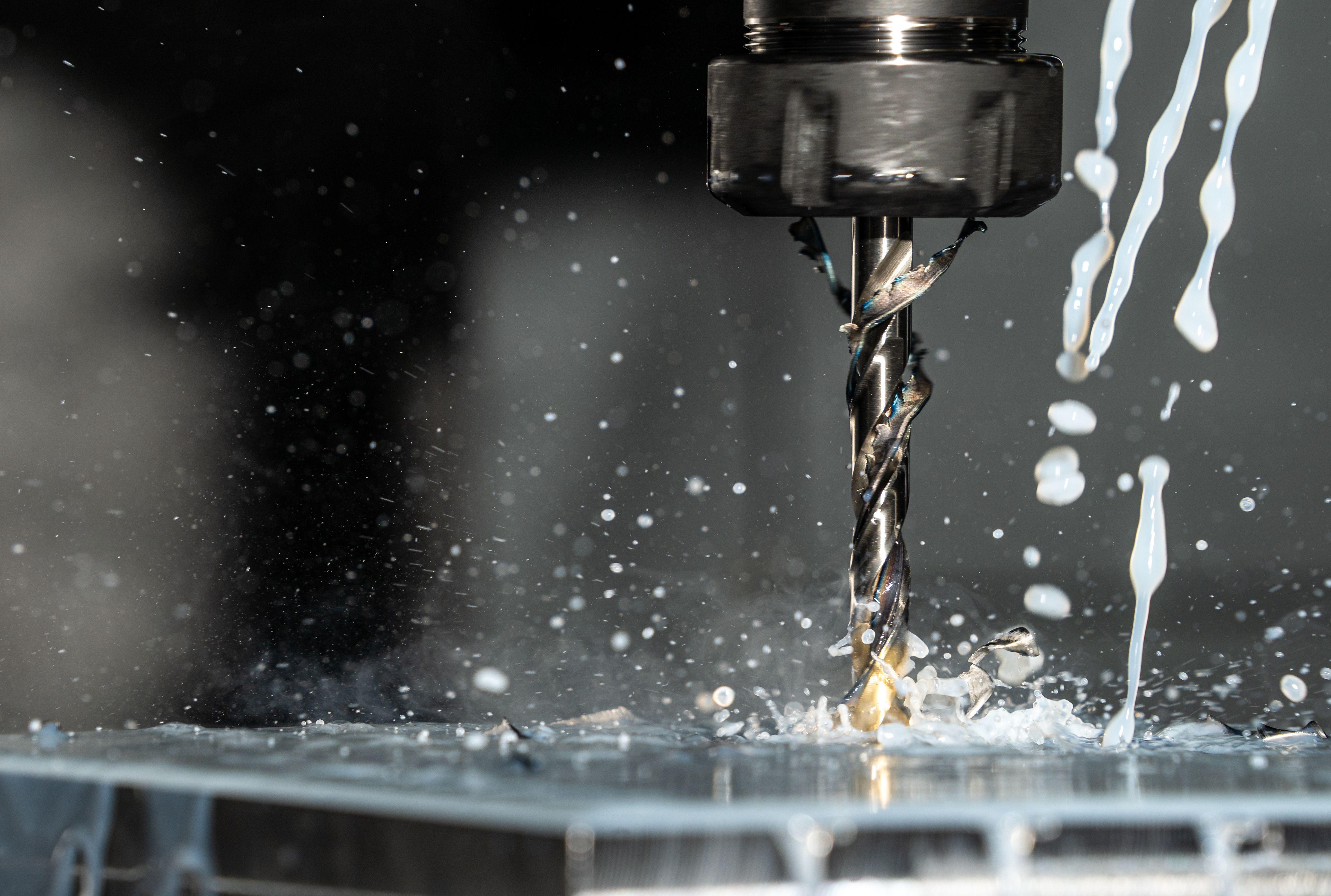
CNC drilling and tapping machines are designed for high-speed, repetitive hole-making and threading operations.
Typical applications include:
-
Valve bodies
-
Plumbing fittings
-
Hardware components
-
Automotive structural parts
Key advantages:
-
High spindle speed for fast cycle times
-
Excellent consistency in threaded holes
-
Ideal for mass production of standardized parts
These machines are widely used where productivity and thread accuracy are critical.
2. CNC Milling Machines
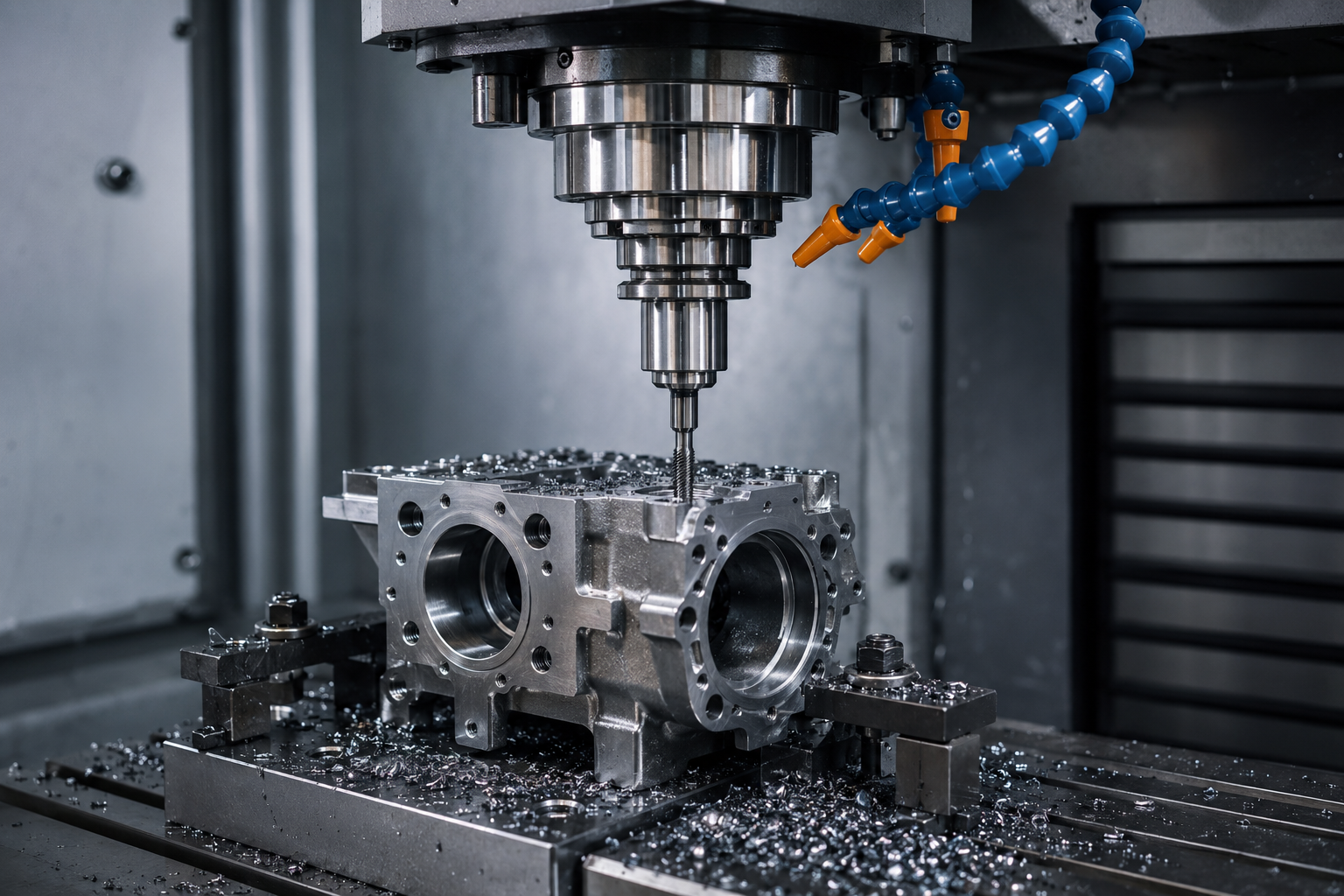
CNC milling machines are suitable for surface machining, contouring, and complex geometries.
Applications:
-
Flat and curved surfaces
-
Precision mounting faces
-
Complex profiles on metal components
Advantages:
-
High machining flexibility
-
Strong adaptability to part design changes
-
Good balance between precision and versatility
CNC milling machines are often used when part geometry requires more complex surface processing.
3. CNC Boring, Milling, Drilling, and Tapping Combined Machines
For manufacturers seeking process integration and higher automation, CNC combined machining centers are an ideal solution.
These machines integrate multiple operations—boring, milling, drilling, and tapping—into a single platform.
Key benefits:
-
Reduced part handling and repositioning
-
Improved dimensional accuracy
-
Shorter production cycles
-
Lower labor dependency
CNC combined machines are especially suitable for high-end manufacturing enterprises that require precision, efficiency, and stable output.
4. Compound CNC Machining Centers
Compound CNC machining centers are designed to handle multiple machining processes in one machine, making them ideal for complex parts and flexible production environments.
Typical use cases:
-
Multi-surface machining in one setup
-
Parts requiring strict positional accuracy
-
Medium to large batch production with consistent quality requirements
By minimizing setup changes, compound machining centers significantly enhance productivity and reduce cumulative errors.
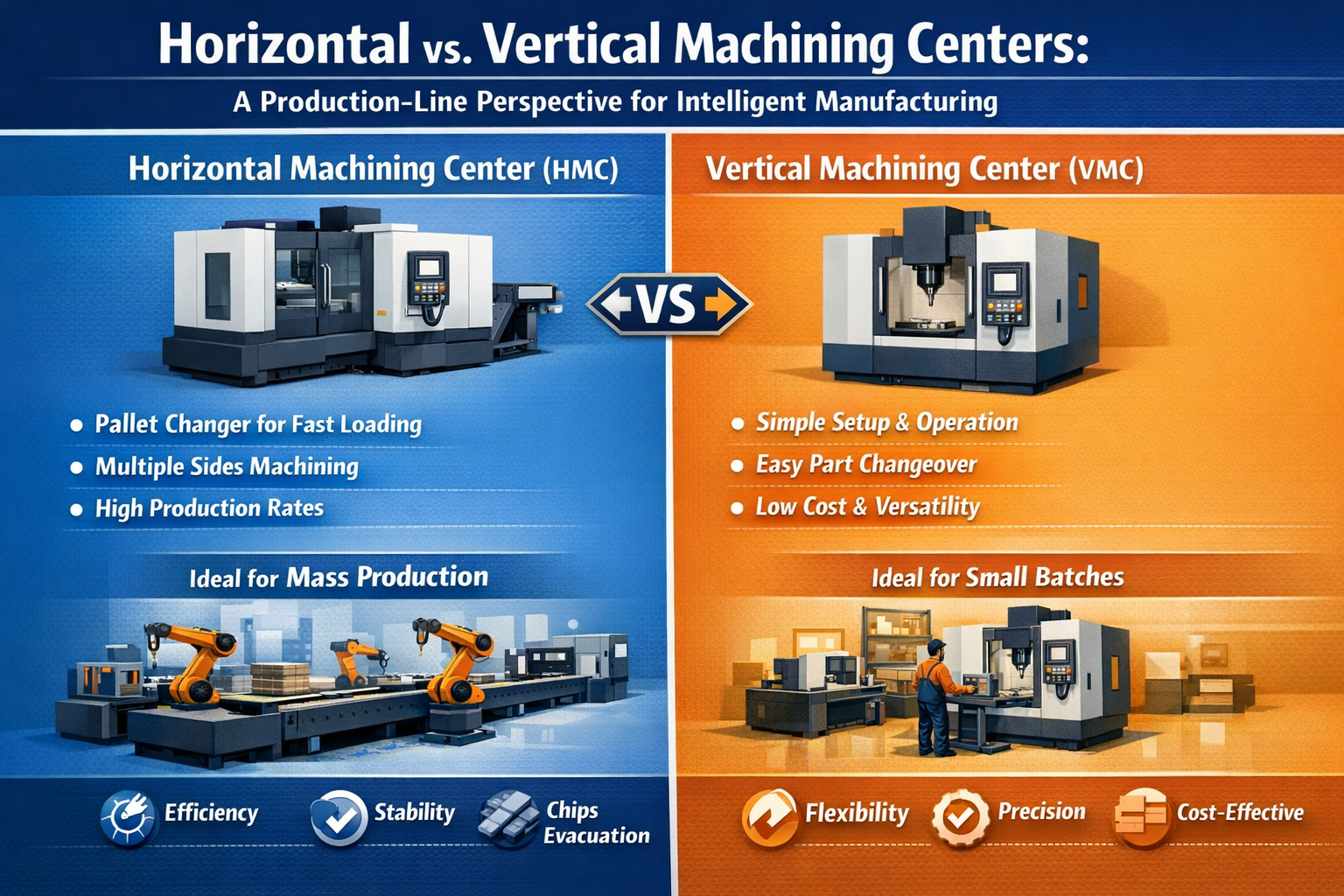
Vertical vs. Horizontal CNC Machining Configurations
When selecting CNC machining centers, machine orientation is another critical factor.
Vertical CNC Machining Centers
-
Easier operation and programming
-
Suitable for smaller to medium-sized parts
-
Lower initial investment
-
Common in drilling, tapping, and surface milling applications
Horizontal CNC Machining Centers
-
Better chip evacuation
-
Suitable for heavier and more complex components
-
Higher efficiency for long production runs
-
Easier integration with pallet systems and automation
The choice between vertical and horizontal configurations should be based on part structure, production volume, and automation requirements.
How to Choose the Right CNC Solution for Your Industry
Rather than selecting a machine based solely on specifications, manufacturers should evaluate CNC solutions from a production system perspective.
Key considerations include:
-
Part structure and machining complexity
-
Production volume and batch size
-
Required precision and surface quality
-
Energy efficiency and long-term operating costs
-
Automation and future scalability
For industries such as plumbing, valves, hardware, and automotive components, integrated CNC solutions combined with intelligent production lines often deliver the best return on investment.
Intelligent CNC Production Lines: Beyond Individual Machines
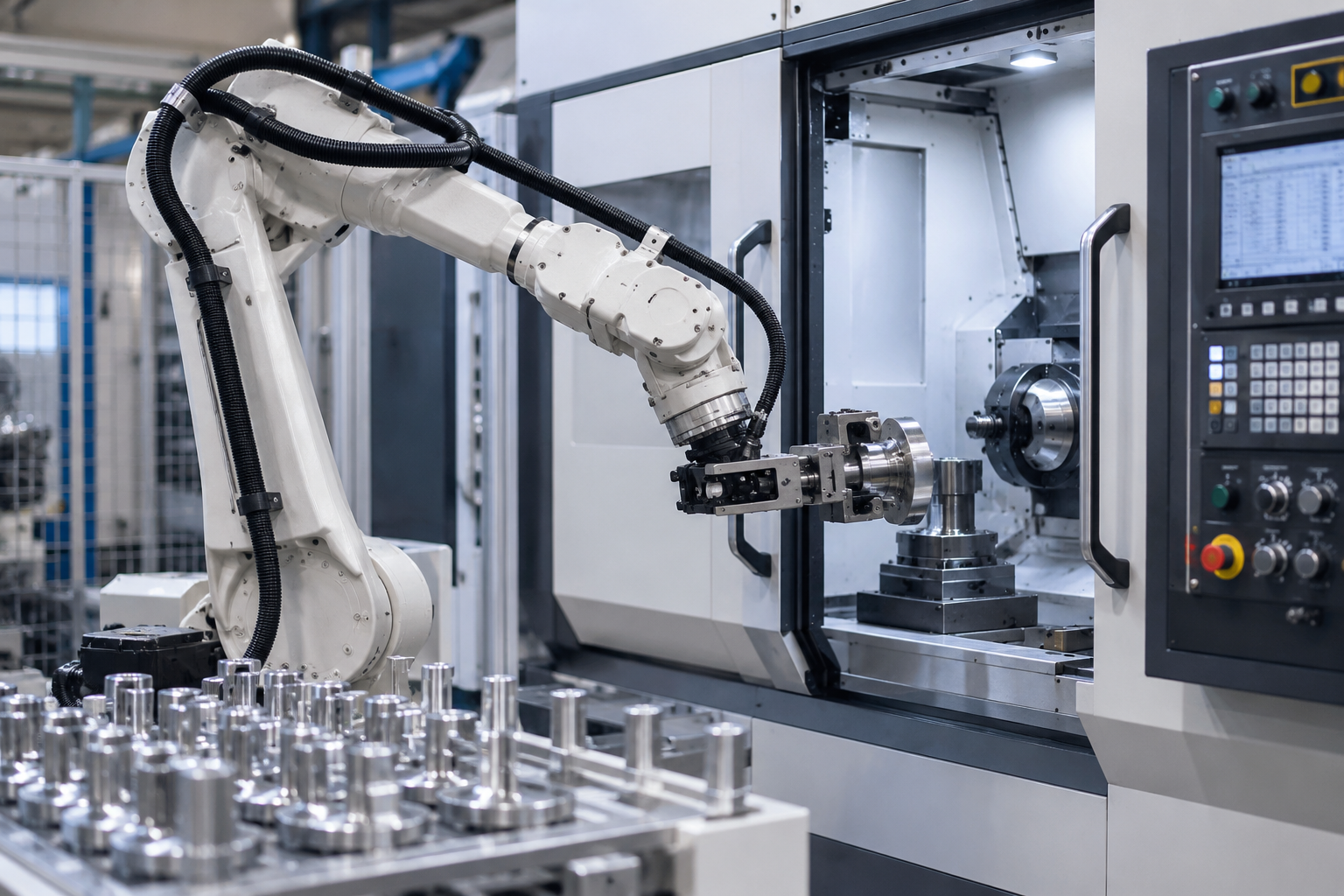
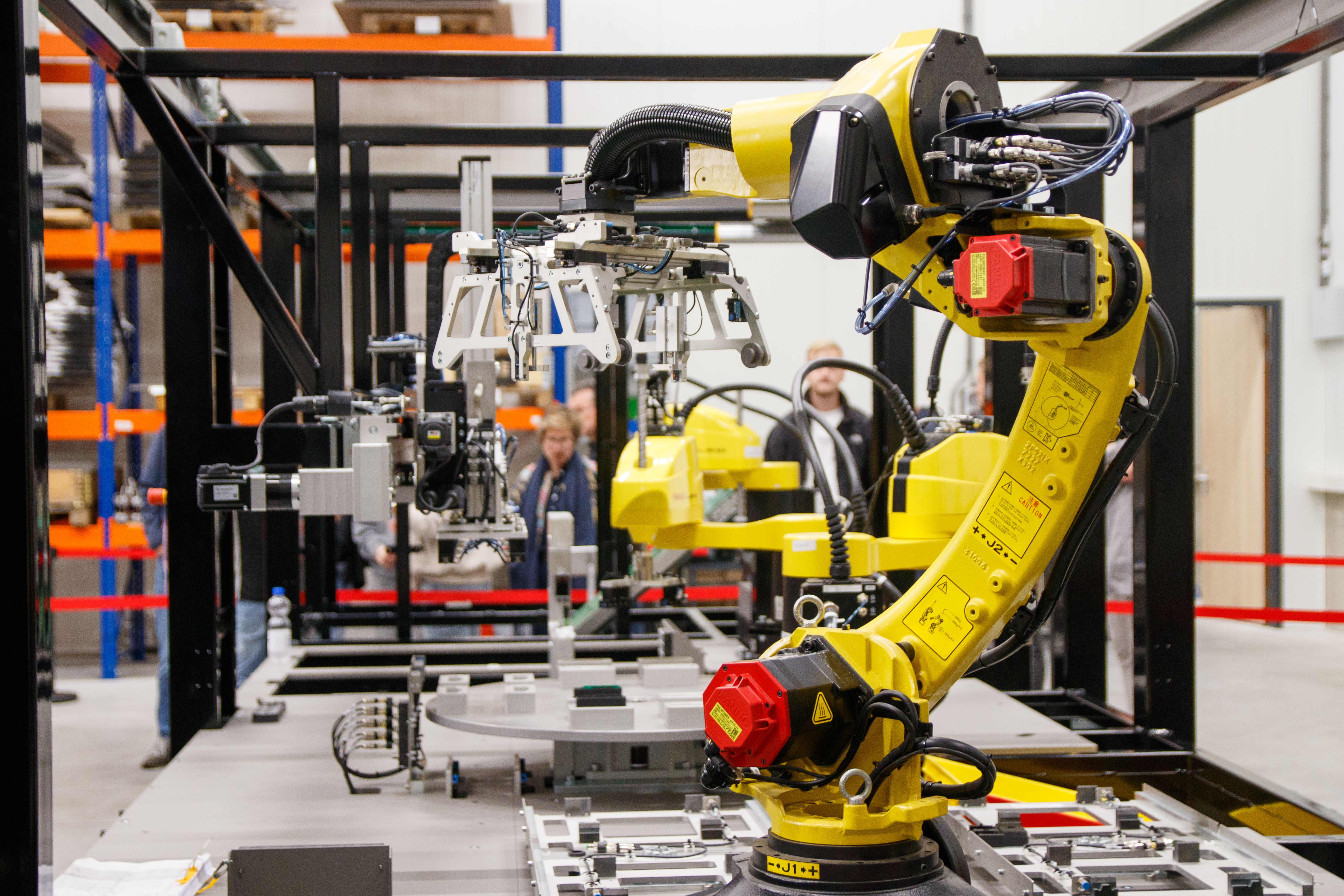
Modern manufacturing is moving beyond standalone machines toward flexible, intelligent, and visualized production lines.
By integrating CNC machining centers with:
-
Automated loading and unloading
-
Real-time production monitoring
-
Process visualization systems
-
Centralized quality control
Manufacturers can achieve:
-
Higher overall equipment effectiveness (OEE)
-
Stable and predictable output
-
Reduced energy consumption
-
Faster response to market demands
Partnering with an Experienced CNC Solution Provider
Selecting the right CNC machining center is only part of the equation. Equally important is choosing a partner with deep industry experience, strong R&D capability, and a system-level understanding of manufacturing.
With years of equipment manufacturing practice, Fujian Xinmei Machinery Technology Co., Ltd. specializes in providing flexible, intelligent, and visualized CNC production line solutions. Our product portfolio covers CNC drilling, tapping, and milling compound machines, as well as CNC combined machines for boring, milling, drilling, and tapping—helping high-end manufacturers achieve energy-efficient, high-precision, and high-capacity automation upgrades.
Driven by innovation and guided by craftsmanship, Xinmei Machinery is committed to empowering intelligent manufacturing and becoming a trustworthy long-term partner for global industrial customers.
Final Thoughts
Choosing the right CNC machining center is a strategic decision that directly impacts production efficiency, quality stability, and long-term competitiveness.
By understanding different CNC machine types and focusing on integrated production solutions, manufacturers can build smarter, more efficient factories—ready for the future of intelligent manufacturing.