+86 13163919000
 info@xinmeiintelligent.com

Understanding the Fundamental Difference
Traditional Lathes: A Process-Oriented Tool
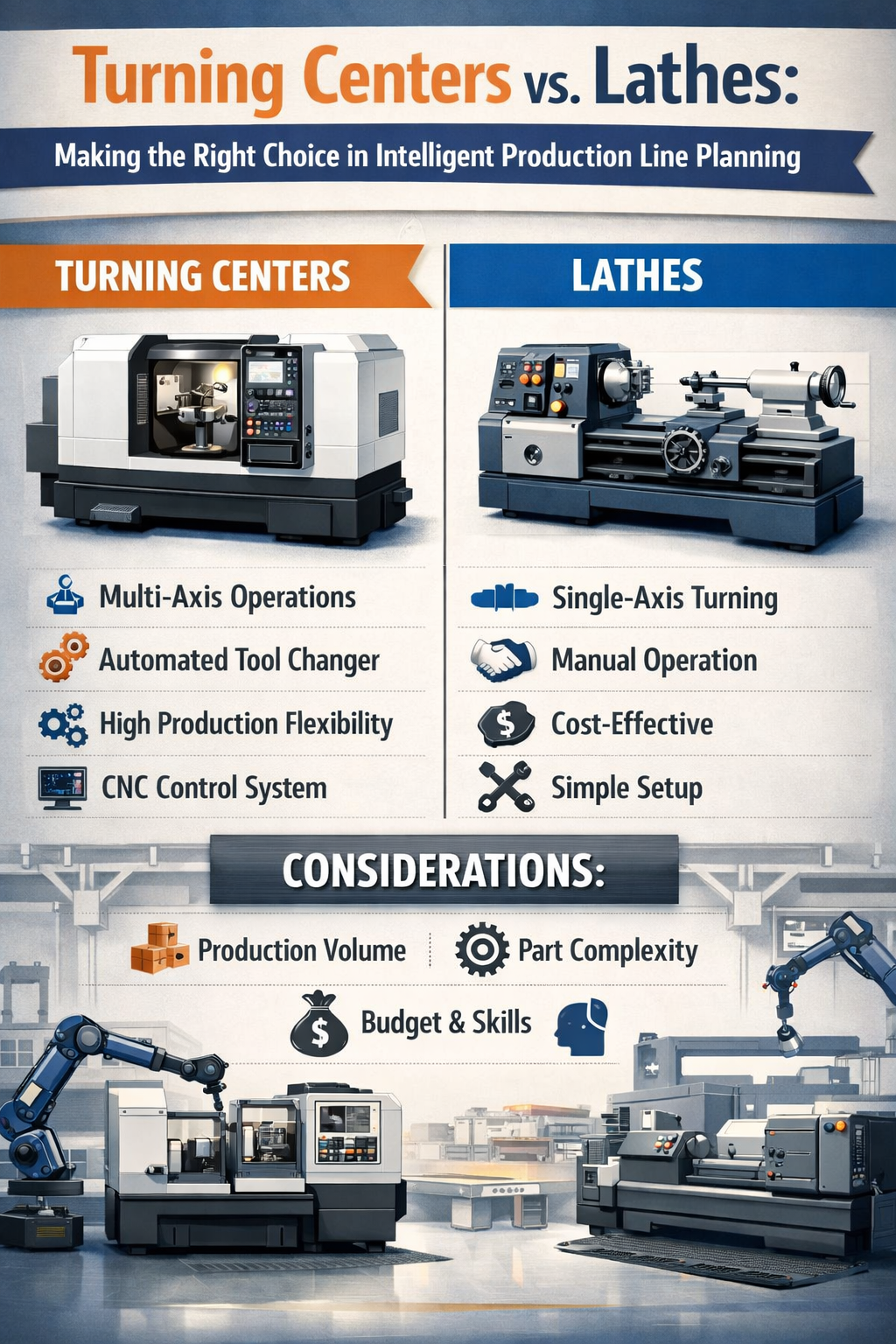
Conventional lathes have long been used for basic turning operations such as facing, external turning, and simple threading. They are often suitable for:
-
Low to medium production volumes
-
Simple part geometries
-
Manual or semi-automated workshops
However, traditional lathes typically rely heavily on operator skill and require multiple setups when parts involve additional machining steps.
CNC Turning Centers: A Platform for Process Integration
CNC turning centers represent a significant evolution. Beyond basic turning, they support:
-
Automatic tool changing
-
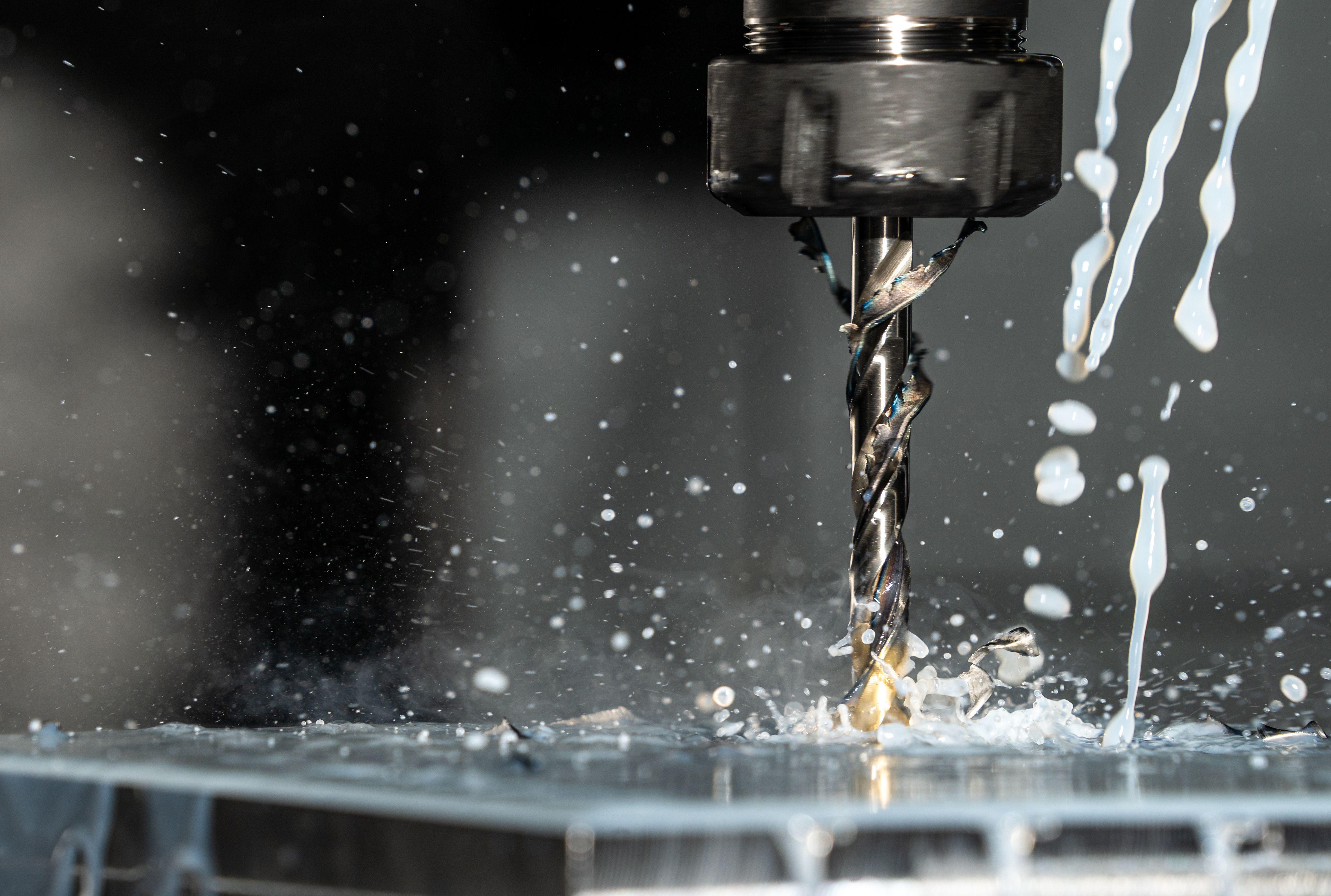
Live tooling for milling and drilling
-
Multi-axis control
-
Higher repeatability and precision
This makes turning centers far more suitable for high-volume, high-precision manufacturing environments, especially when consistency and efficiency are critical.
The Real Question: Machine Selection vs. Production Line Design
From the perspective of intelligent manufacturing, comparing a turning center with a lathe is only part of the decision-making process. The more important consideration is how turning operations fit into the overall production workflow.
In industries such as plumbing and sanitary ware, door control hardware, fire-fighting valves, locks, and automotive components, parts often require:
-
Turning
-
Drilling
-
Tapping
-
Milling
-
Secondary finishing
Choosing equipment without considering downstream and upstream processes often leads to bottlenecks, excessive handling, and wasted capacity.
Turning Equipment in Intelligent Production Lines
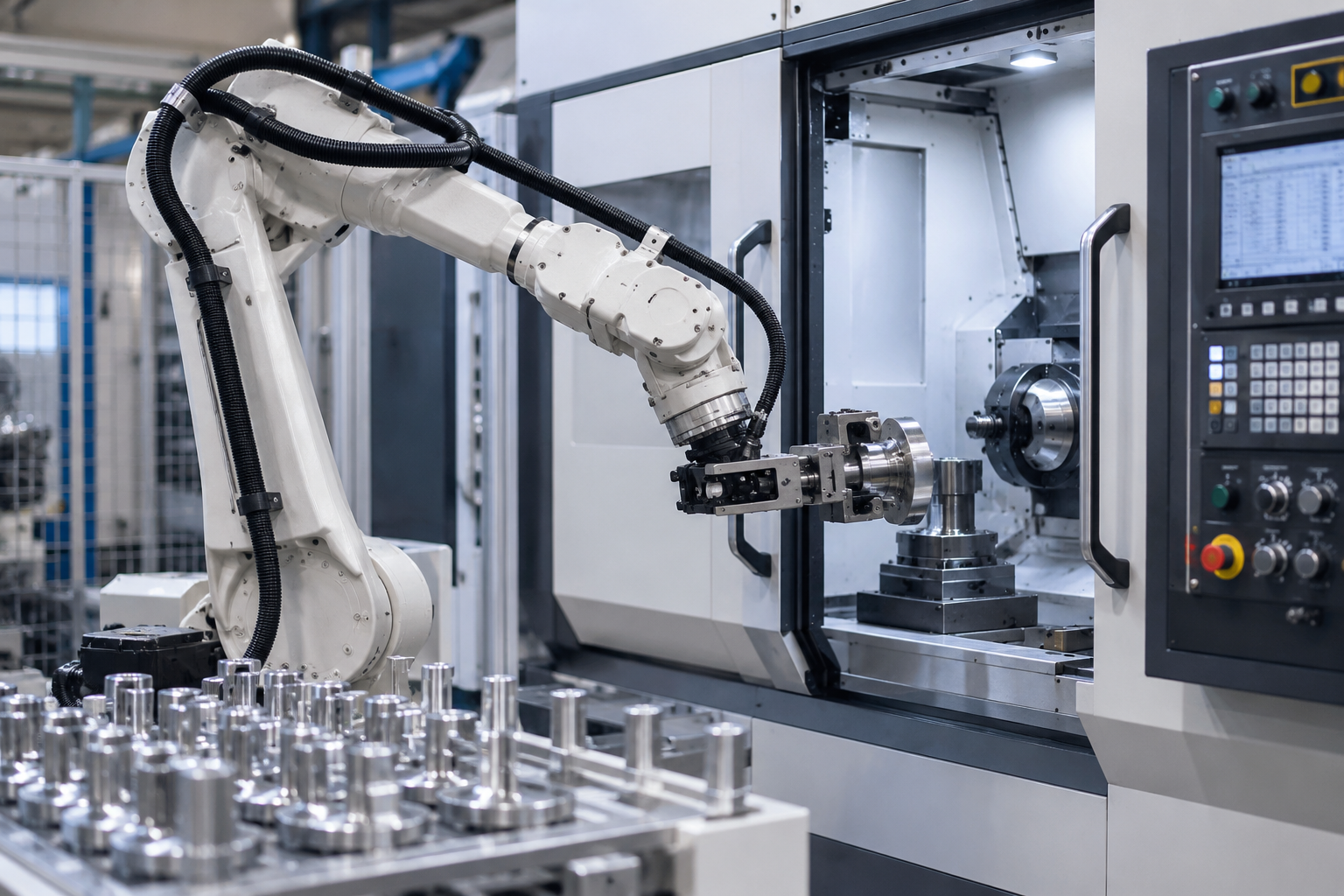
In a modern intelligent production line, turning centers are rarely used as isolated machines. Instead, they function as key modules within an integrated machining system, working in coordination with:
-
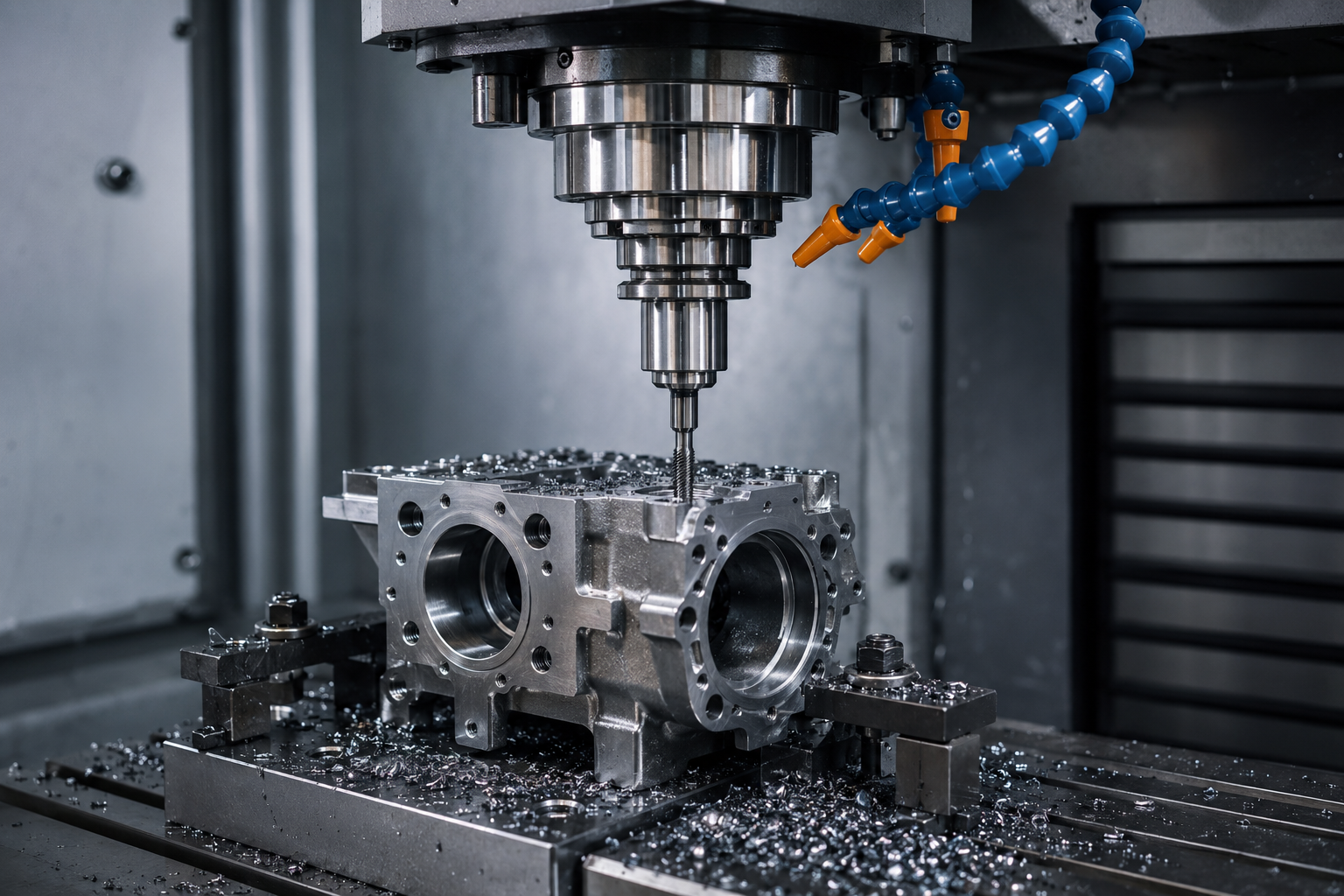
CNC drilling, tapping, and milling compound machines
-
CNC combined boring, milling, drilling, and tapping machines
-
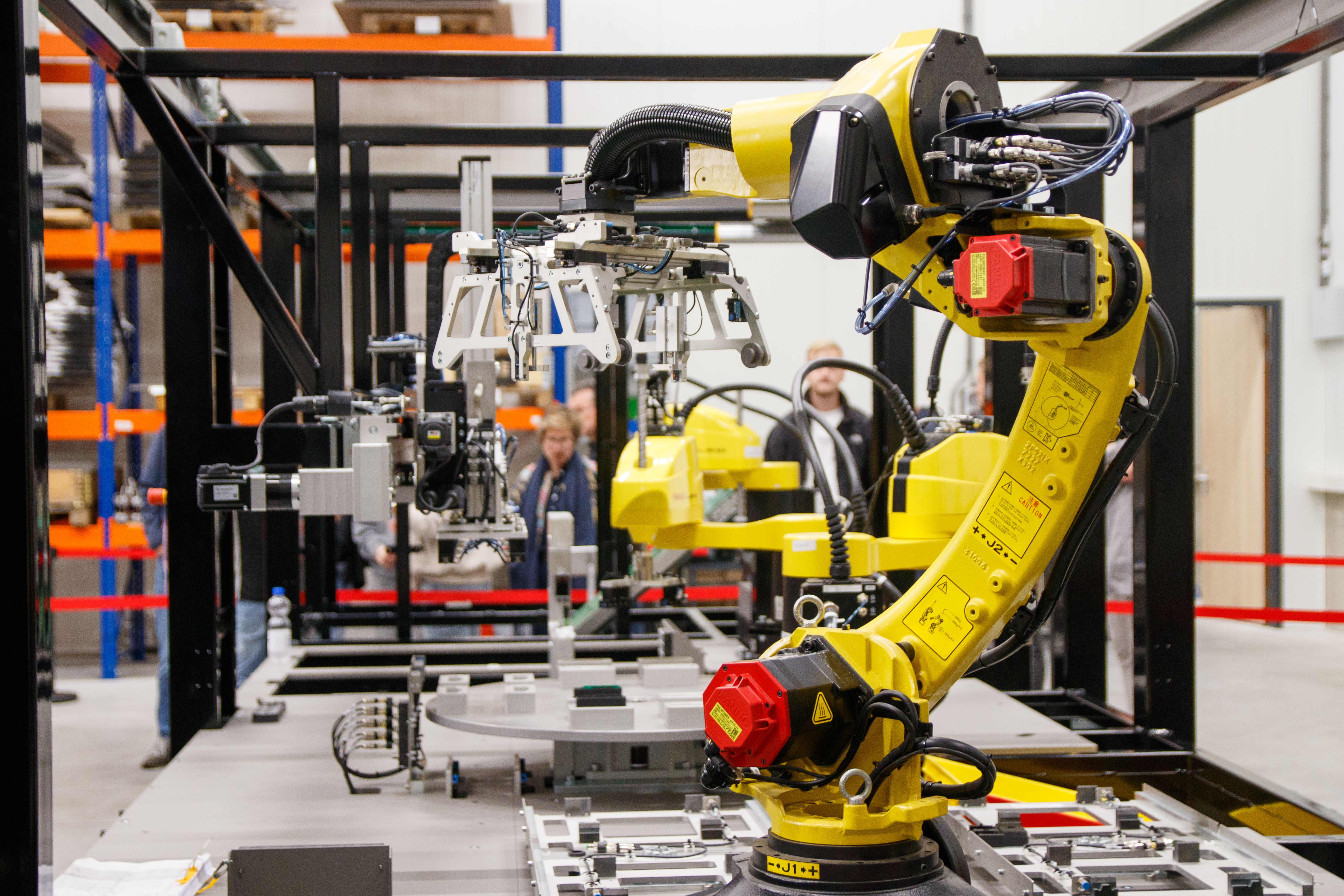
Automated loading and unloading systems
-
In-line inspection and quality monitoring
This system-level integration enables manufacturers to achieve:
-
Continuous production flow
-
Reduced manual intervention
-
Stable quality across large batches
-
Visualized production management
Application Scenarios: When Each Option Makes Sense
When a Traditional Lathe May Be Sufficient
-
Small batch or prototype production
-
Simple part structures
-
Workshops without automation requirements
When CNC Turning Centers Become Essential
-
Medium to large batch production
-
Parts with multiple machining features
-
Tight tolerance and consistency requirements
-
Integration into automated or semi-automated lines
For high-end manufacturers pursuing long-term competitiveness, turning centers are often selected not as standalone machines, but as building blocks of a flexible and intelligent production system.
System-Level Benefits Over Single-Machine Thinking
At Fujian Xinmei Machinery Technology Co., Ltd., we believe that equipment selection should always serve the broader goal of production line optimization.
By evaluating turning centers within the context of the entire manufacturing process, manufacturers can achieve:
-
Higher overall equipment efficiency (OEE)
-
Shorter takt times
-
Lower energy consumption per unit
-
Easier scalability for future upgrades
This approach shifts the focus from machine price to lifecycle value and production performance.
Choosing a Partner, Not Just a Machine
Whether selecting turning centers or other CNC equipment, success ultimately depends on working with a partner who understands:
-
Real manufacturing scenarios
-
Industry-specific process requirements
-
Automation and line integration
-
Long-term production planning
With extensive experience in intelligent production line solutions, Xinmei Machinery provides flexible, intelligent, and visualized manufacturing systems tailored to the needs of high-end manufacturers.
Conclusion: Think Beyond the Machine
Turning centers and lathes serve different purposes—but the true competitive advantage lies in how these tools are deployed within an intelligent production line.
For manufacturers seeking efficiency, precision, and scalability, the right decision is not simply choosing one machine over another, but designing a production system that aligns equipment, processes, and automation into a unified solution.
Xinmei Machinery remains committed to empowering intelligent manufacturing through system-level thinking, engineering expertise, and a relentless pursuit of excellence in every detail.