+86 13163919000
 info@xinmeiintelligent.com

What Is Slot Milling?
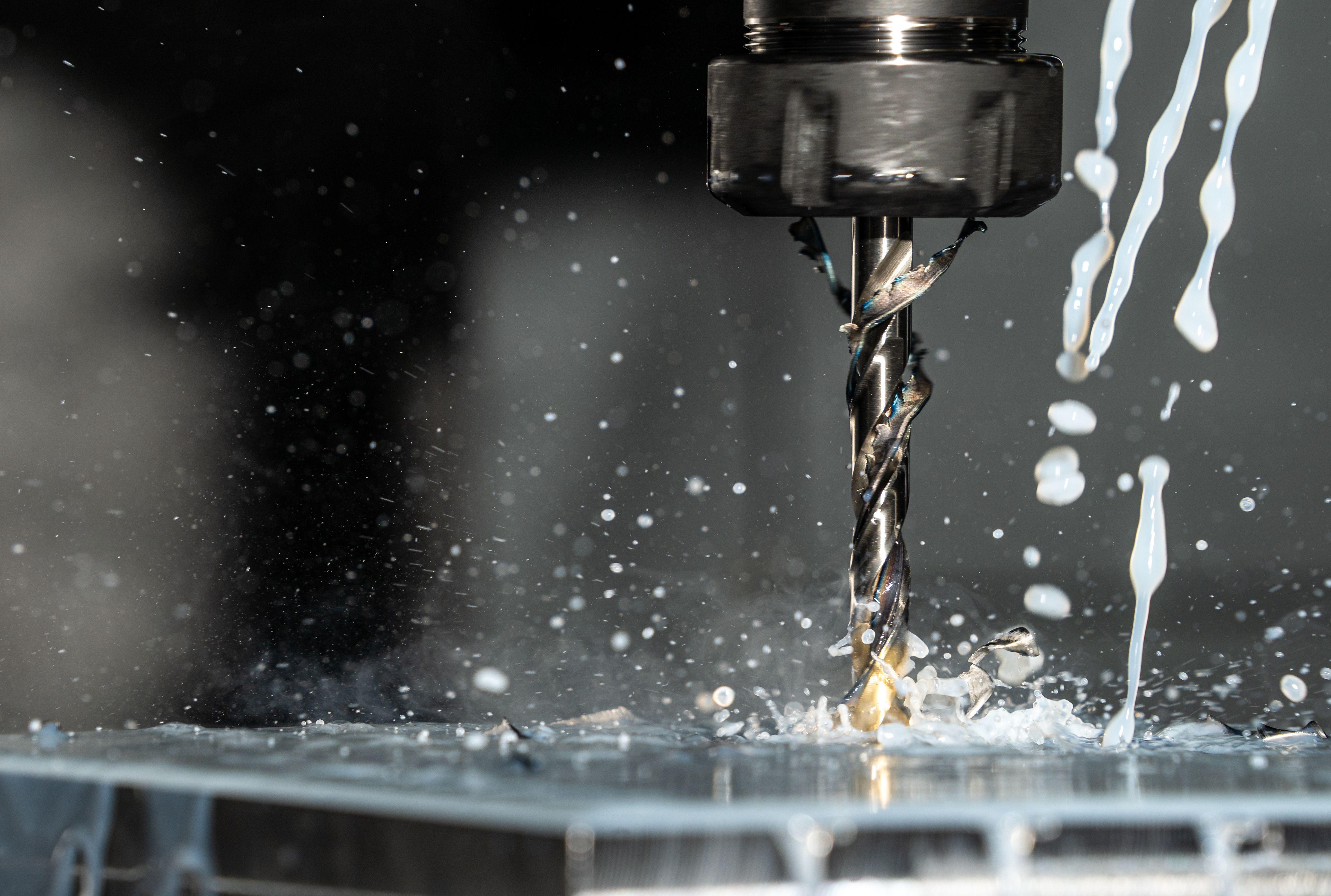
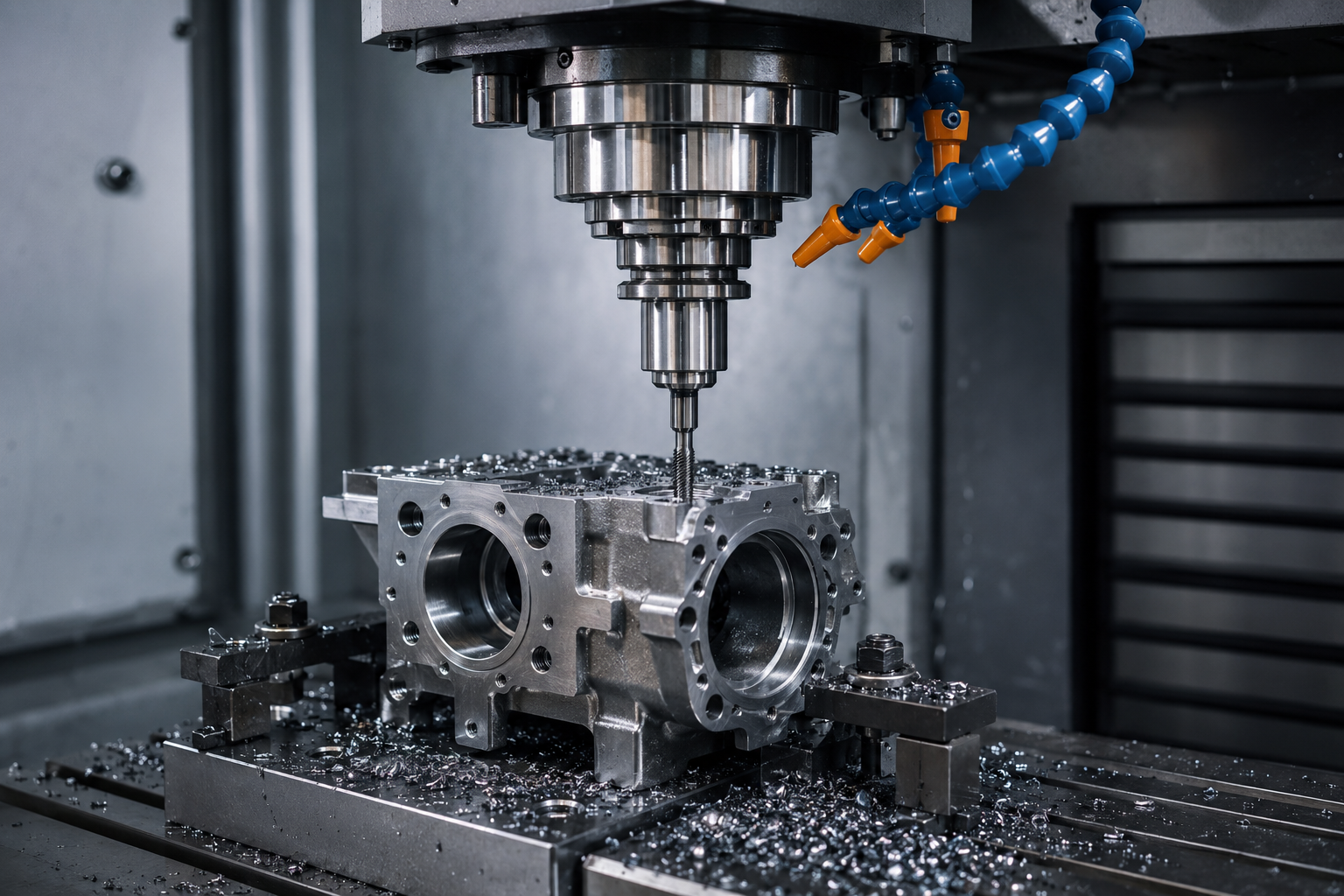
Slot milling is a CNC machining process used to cut grooves, slots, or channels with defined width and depth into a workpiece. These slots may serve functional purposes such as assembly guidance, fluid passage, or structural positioning.
Depending on part design and production requirements, slot milling can be performed using different cutters, machining strategies, and machine configurations—often combined with drilling, tapping, or surface milling in one integrated process.
Common Slot Milling Tools in CNC Machining
Selecting the right slot milling tool directly impacts surface quality, tool life, and cycle time.
End Mills
End mills are the most commonly used tools for slot milling. They are suitable for straight slots, keyways, and shallow grooves.
-
Versatile and widely available
-
Suitable for aluminum, steel, and cast iron
-
Easy to integrate into compound CNC machining processes
Slot Cutters and Side Milling Cutters
Slot cutters are designed specifically for deeper or wider slots.
-
High rigidity for stable cutting
-
Better chip evacuation in deep slots
-
Suitable for high-load applications
T-Slot Cutters
T-slot cutters are used for specialized slot geometries, commonly found in fixtures, clamping systems, and machine tables.
-
Enables complex undercut slot structures
-
Requires precise tool path planning
In high-volume manufacturing, tool selection must also consider tool change efficiency and compatibility with automated tool magazines.
Slot Milling Techniques for Precision and Efficiency
Different machining techniques are applied depending on slot depth, width, material, and required tolerance.
Conventional Slot Milling
The cutter engages the full slot width in one pass. This method is simple but generates higher cutting forces.
-
Suitable for shallow slots
-
Less ideal for high-speed or deep-slot machining
Trochoidal Slot Milling
Trochoidal milling uses circular tool paths to reduce tool load and heat.
-
Extends tool life
-
Improves stability in hard materials
-
Ideal for high-efficiency CNC production lines
Step-Down Slot Milling
Material is removed in multiple depth increments.
-
Improves accuracy for deep slots
-
Reduces risk of tool breakage
In intelligent CNC production lines, these techniques are often optimized through process planning and standardized machining parameters.
Slot Milling in Intelligent CNC Production Lines
Modern manufacturers no longer evaluate slot milling in isolation. Instead, it is optimized as part of a complete CNC machining workflow.
By integrating slot milling with drilling, tapping, boring, and surface machining into a single CNC machining center or combined machine, manufacturers can achieve:
-
Reduced part handling and repositioning
-
Higher dimensional consistency
-
Shorter production cycles
-
Lower labor dependency
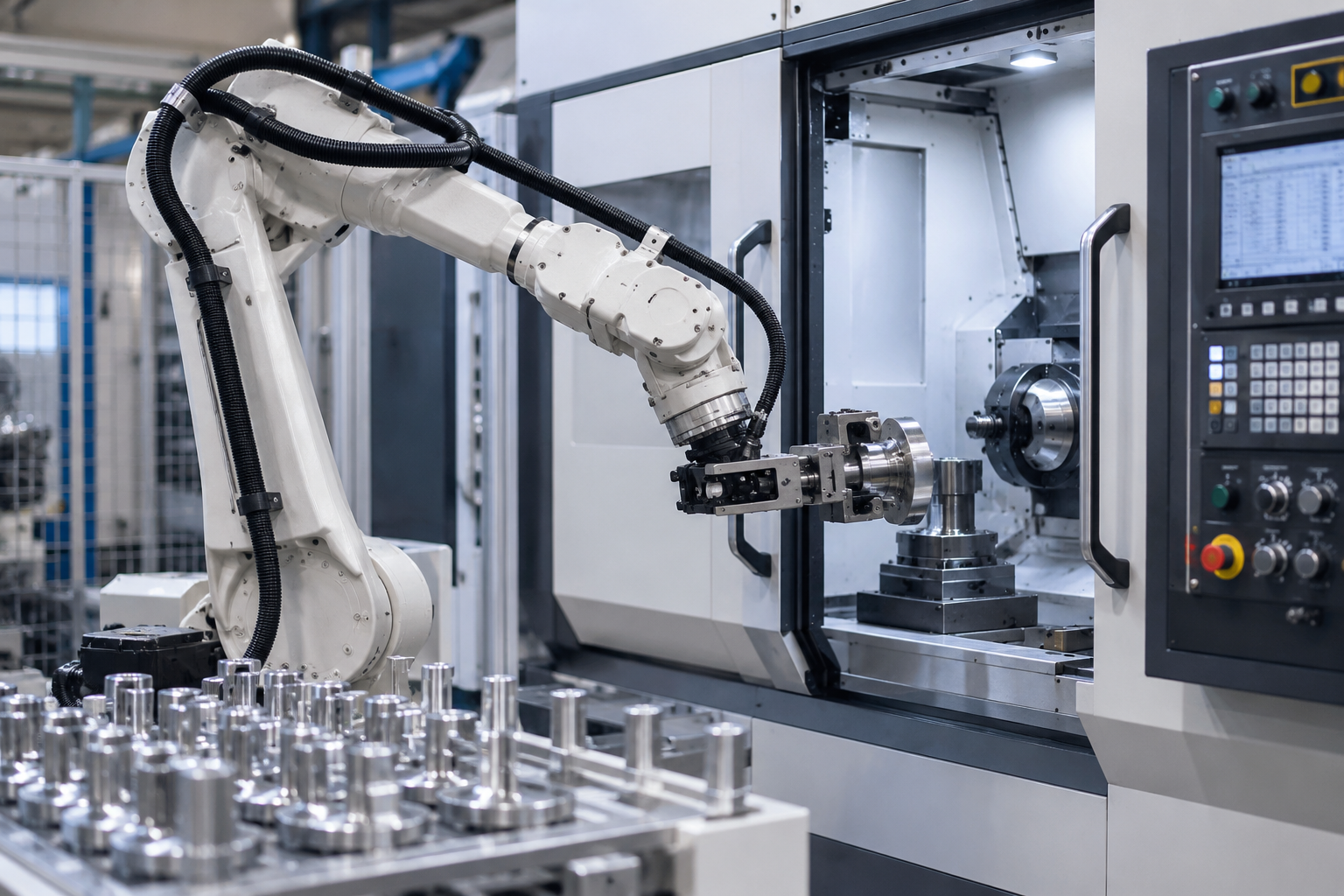
In industries such as plumbing, valves, hardware, and auto parts, slot milling is commonly executed within CNC drilling, tapping, and milling compound machines, or CNC combined machines that support multi-process integration.
Automation and Visualization: Beyond Individual Machines
When slot milling is deployed within an intelligent production line, additional benefits emerge:
-
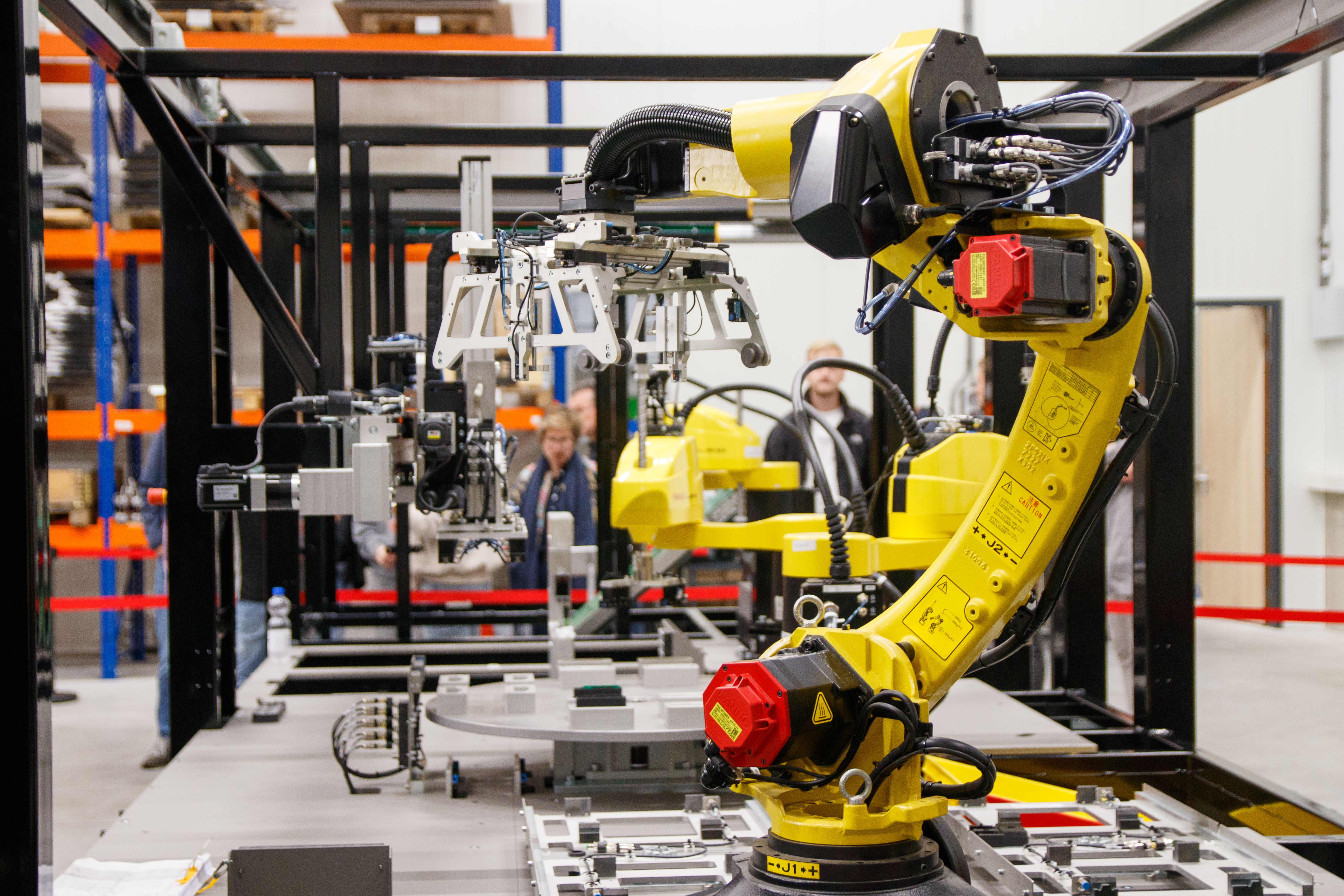
Automated loading and unloading reduce manual intervention
-
Real-time monitoring ensures stable machining quality
-
Visualized production data improves decision-making
-
Centralized control enhances line-level efficiency
This system-level approach transforms traditional CNC machining into a scalable, data-driven manufacturing process.
Choosing the Right Slot Milling Solution
Rather than focusing only on cutting parameters or tools, manufacturers should consider slot milling solutions from a production system perspective.
Key factors include:
-
Part structure and tolerance requirements
-
Production volume and batch consistency
-
Integration with other machining processes
-
Automation readiness and future expansion
For high-end manufacturing enterprises, intelligent CNC production line solutions often deliver the best long-term return on investment.
Partnering with an Intelligent CNC Solution Provider
Effective slot milling performance depends not only on machines and tools, but also on process design, system integration, and long-term support.
With extensive experience in equipment manufacturing and industrial applications, Fujian Xinmei Machinery Technology Co., Ltd. focuses on providing flexible, intelligent, and visualized CNC production line solutions. Our product portfolio includes CNC drilling, tapping, and milling compound machines, as well as CNC combined machines for boring, milling, drilling, and tapping—helping manufacturers achieve energy-efficient, high-precision, and high-capacity automation upgrades.
Driven by innovation and guided by craftsmanship, Xinmei Machinery is committed to empowering intelligent manufacturing and becoming a trusted long-term partner for global industrial customers.
Final Thoughts
Slot milling is a core machining process—but its true value is unlocked when integrated into intelligent CNC production lines.
By combining the right tools, advanced machining techniques, and system-level automation, manufacturers can achieve higher productivity, consistent quality, and sustainable growth in an increasingly competitive industrial landscape.