+86 13163919000
 info@xinmeiintelligent.com

Choosing a CNC machine manufacturer is not only about comparing machine size, spindle speed, or price. For factories producing door closers, sanitary hardware, automotive parts, valves, connectors, or other metal components, the real question is whether the equipment can maintain accuracy, reduce repeated clamping errors, and support long-term batch production. A reliable supplier should understand machining processes, fixture design, automation layout, quality inspection, and after-sales support — not just sell a single machine.
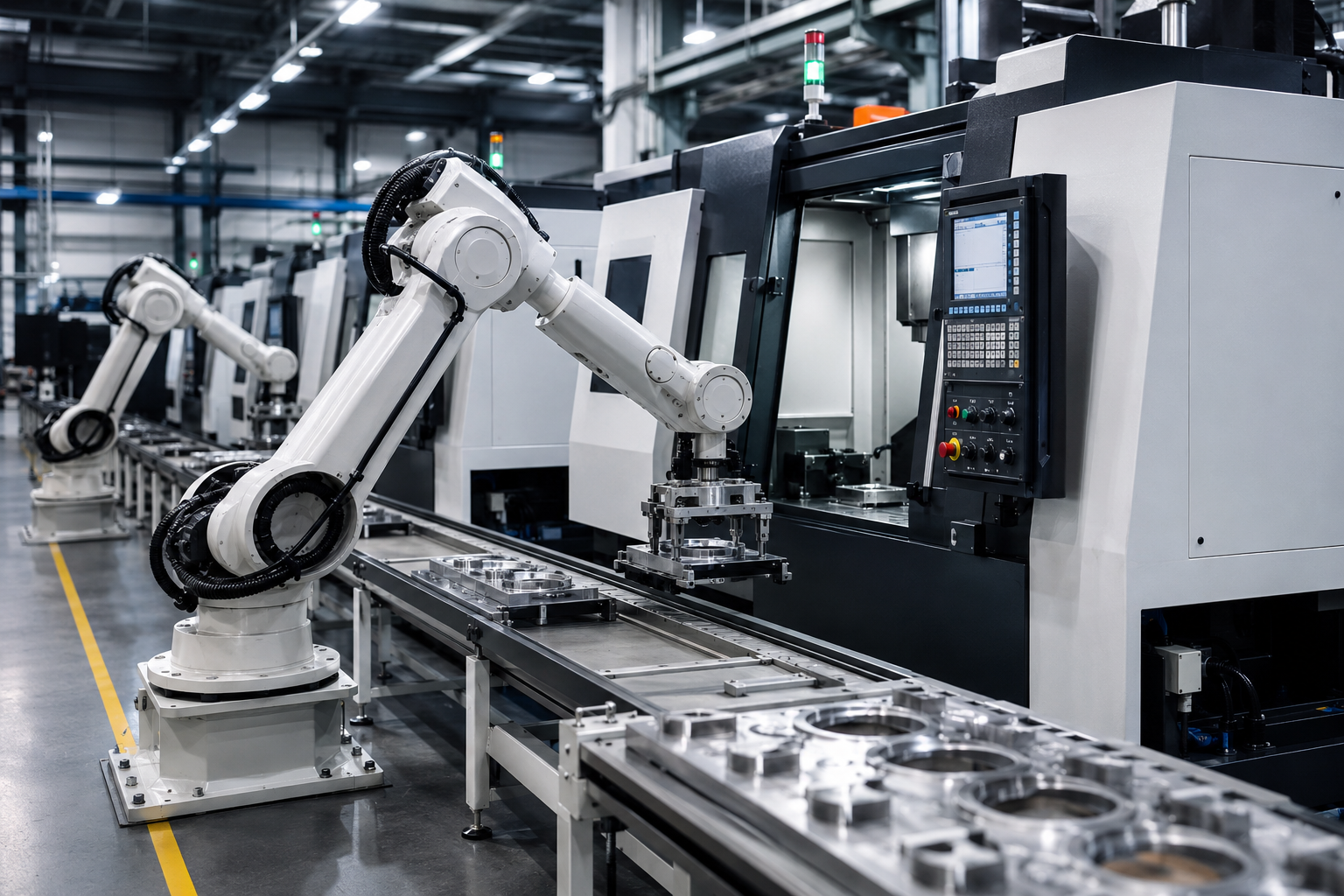
When CNC Production Becomes Unstable, the Problem Is Often More Than the Machine
Many factories start looking for new CNC equipment after facing repeated production problems: unstable hole position, inconsistent tapping quality, slow cycle time, too much manual loading, or frequent adjustment during mass production. At first, these problems may look like operator mistakes. But in many cases, they come from the mismatch between the machine structure, fixture design, cutting process, and production rhythm.
For example, a door closer body may require drilling, milling, boring, and tapping on multiple faces. If the workpiece is moved between different machines too many times, each clamping step adds risk. For faucet bodies, valve bodies, and automotive parts, small dimensional errors may affect assembly, sealing, or product consistency. This is why choosing equipment only by basic specifications is not enough.
A stronger solution starts with understanding the part: material, tolerance, hole position, surface requirement, batch size, and automation target. That is where an experienced CNC equipment supplier becomes valuable.
How a CNC Machine Manufacturer Supports Precision From the Process Level
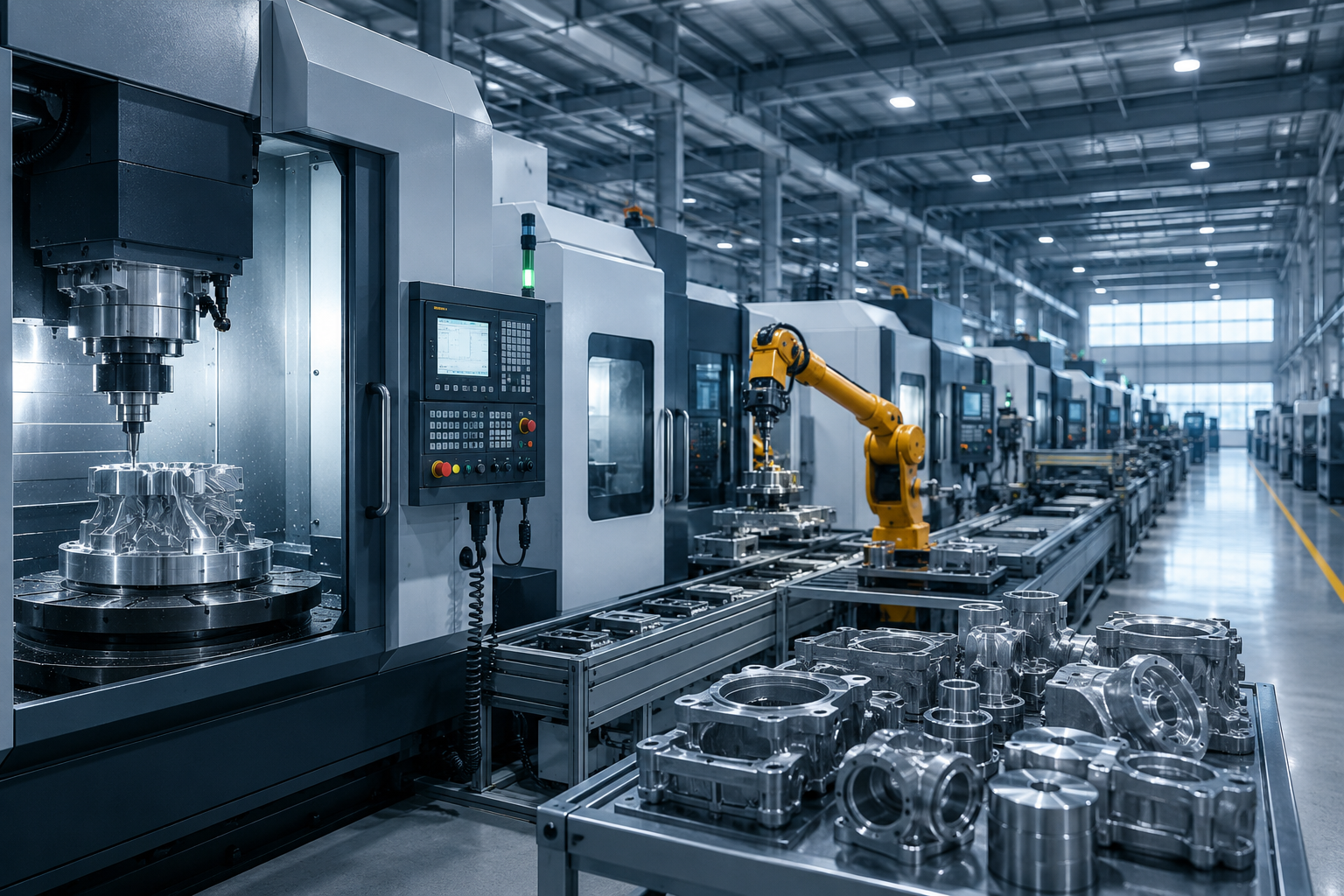
A capable CNC machine manufacturer should look at the full machining process before recommending equipment. The key is not simply whether the machine can cut metal, but whether it can produce stable parts repeatedly under real factory conditions.
For batch production, several technical factors matter:
- Machine rigidity and structural stability
- Spindle performance and tool-changing efficiency
- Fixture positioning and clamping repeatability
- Cutting parameter optimization
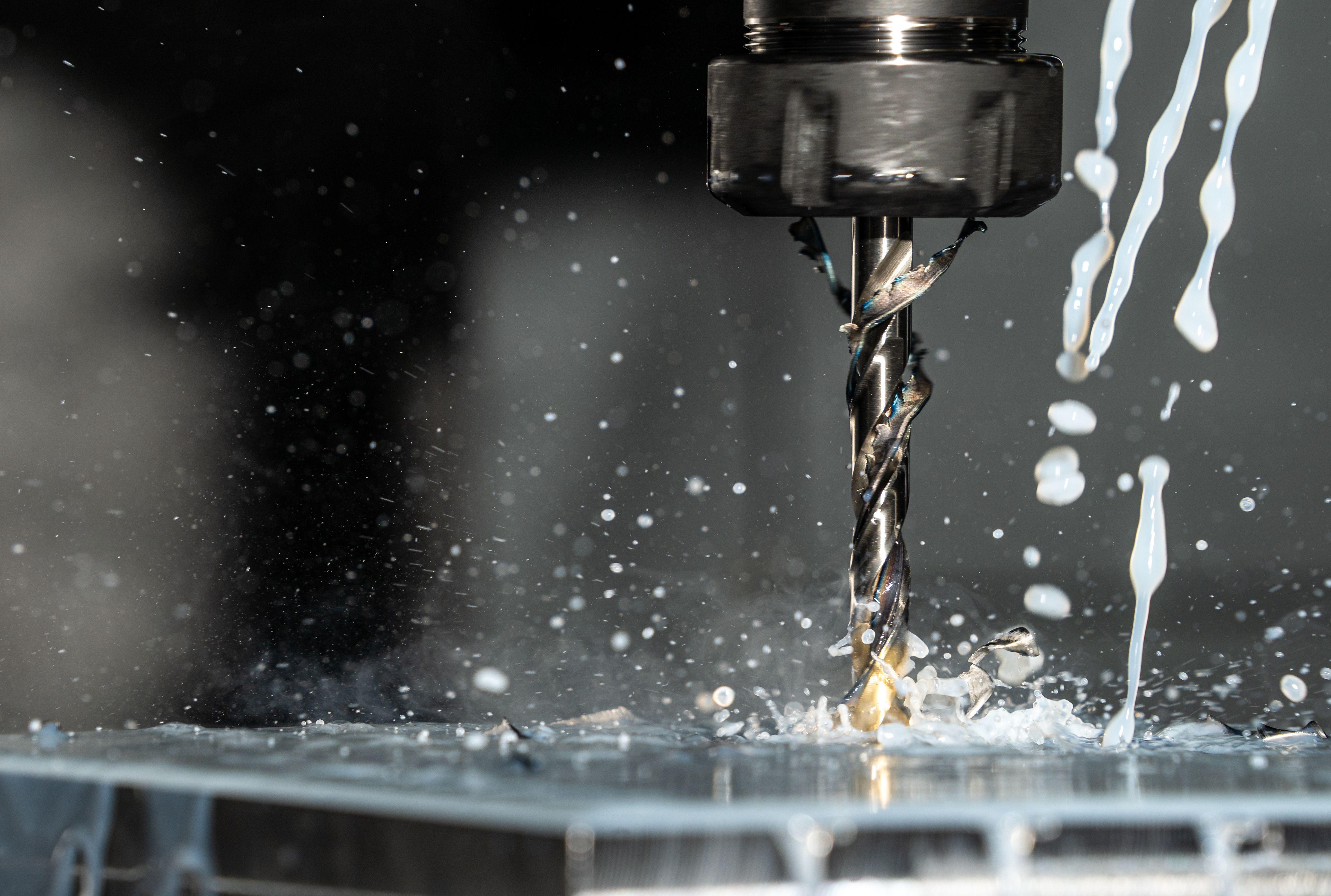
- Chip removal and cooling design
- Operator workflow and automation compatibility
- Final inspection before shipment
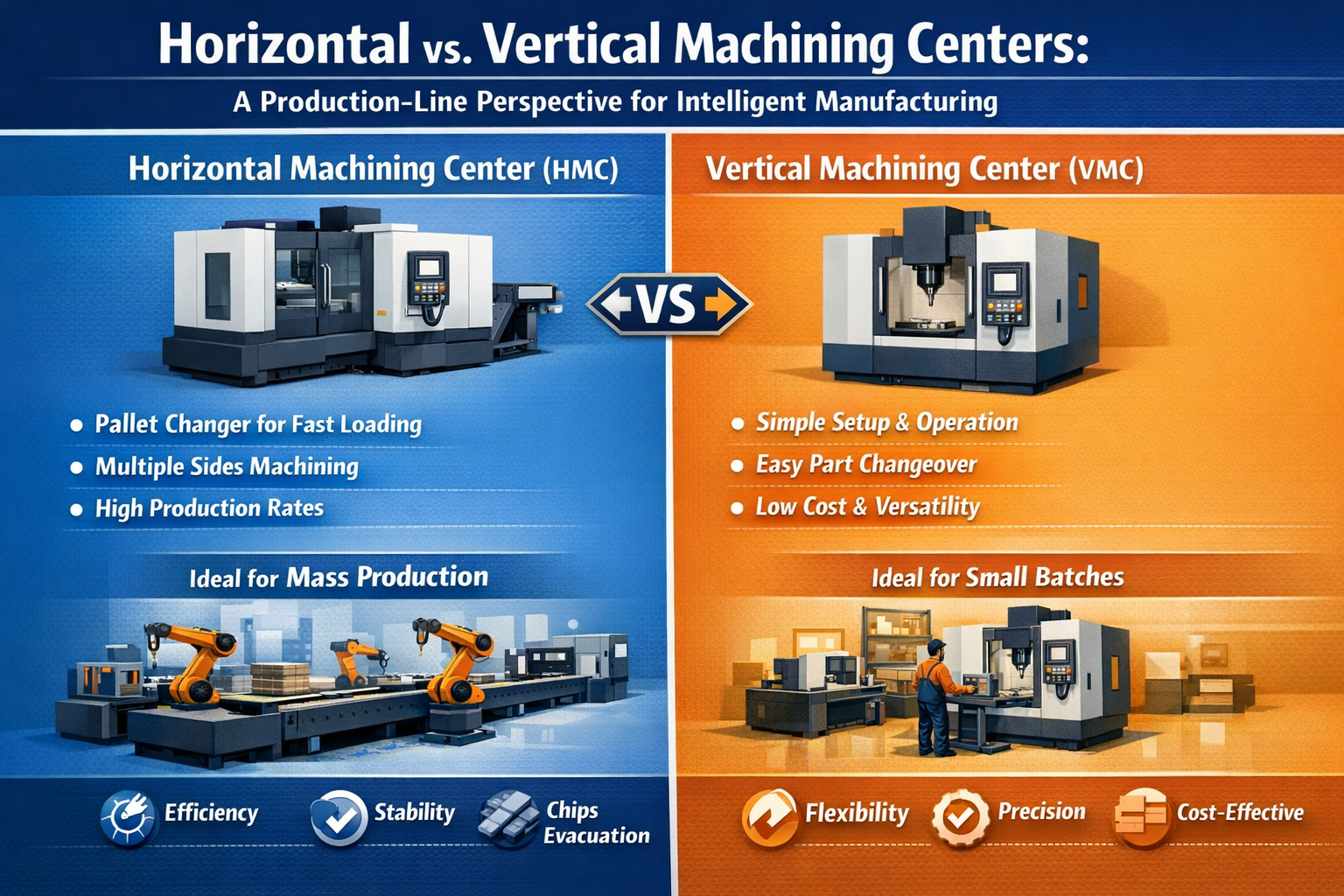
Xinmei Intelligent focuses on CNC machines and automation production line solutions for industrial manufacturing. Its product range includes CNC drilling and tapping equipment, robotic loading and unloading systems, robotic grinding equipment, door closer special-purpose machines, multi-spindle machining equipment, and flexible horizontal machining centers. You can view its product range through the products page.
Standard CNC Equipment vs. Process-Oriented CNC Solutions
A common mistake in equipment purchasing is comparing only standard machine models. A standard machine may be enough for low-volume or flexible job-shop work. But for factories producing the same category of parts every day, process-oriented equipment can bring better production stability.
| Comparison Point | Standard CNC Machine | Process-Oriented CNC Solution |
|---|---|---|
| Main focus | General machining | Specific part and production rhythm |
| Fixture design | Often handled separately | Integrated into process planning |
| Production efficiency | Depends heavily on operators | Optimized for repeatable workflow |
| Automation readiness | May need later modification | Designed with automation in mind |
| Quality consistency | Can vary with setup changes | More stable for batch production |
| Best suited for | Mixed small orders | Medium and high-volume production |
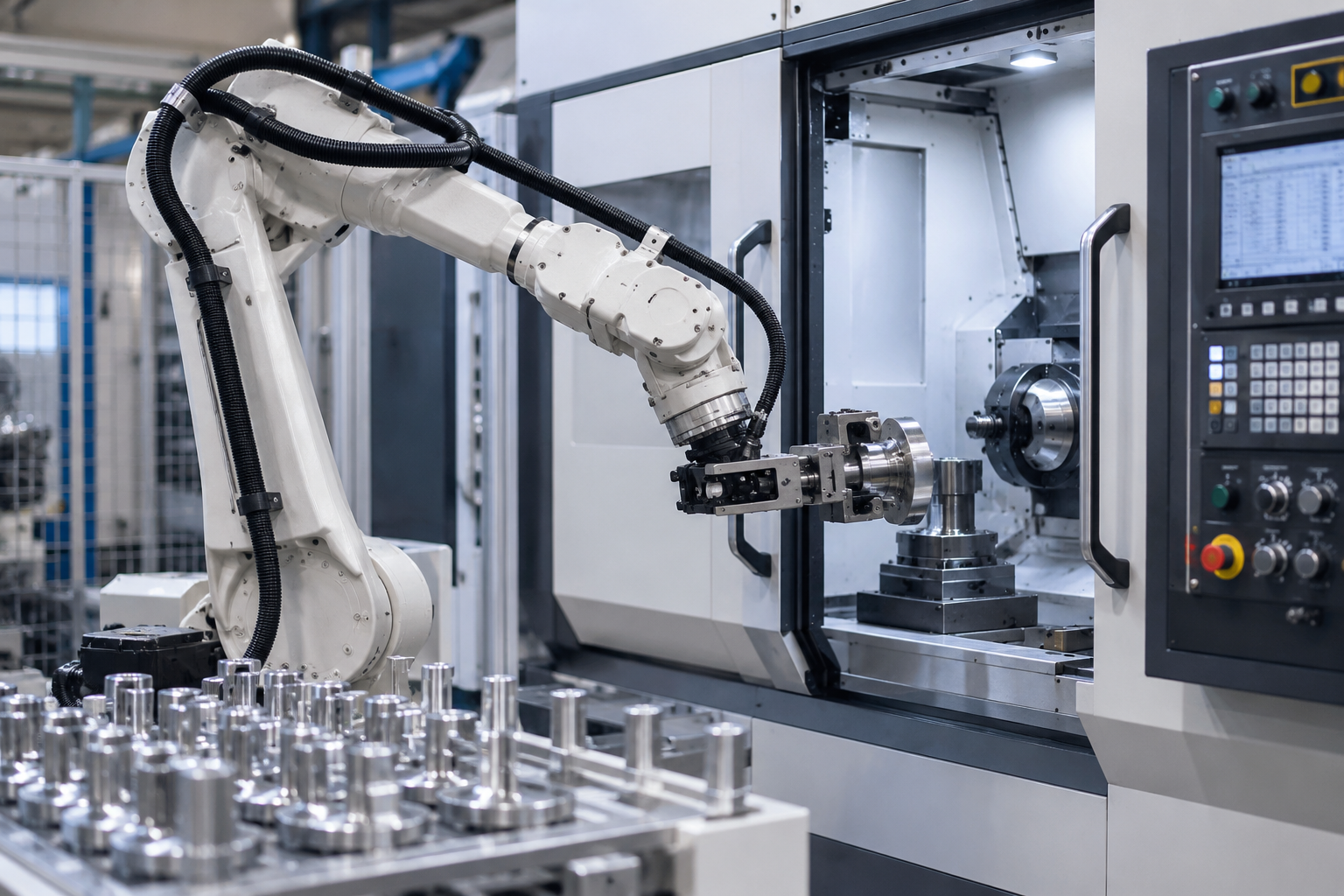
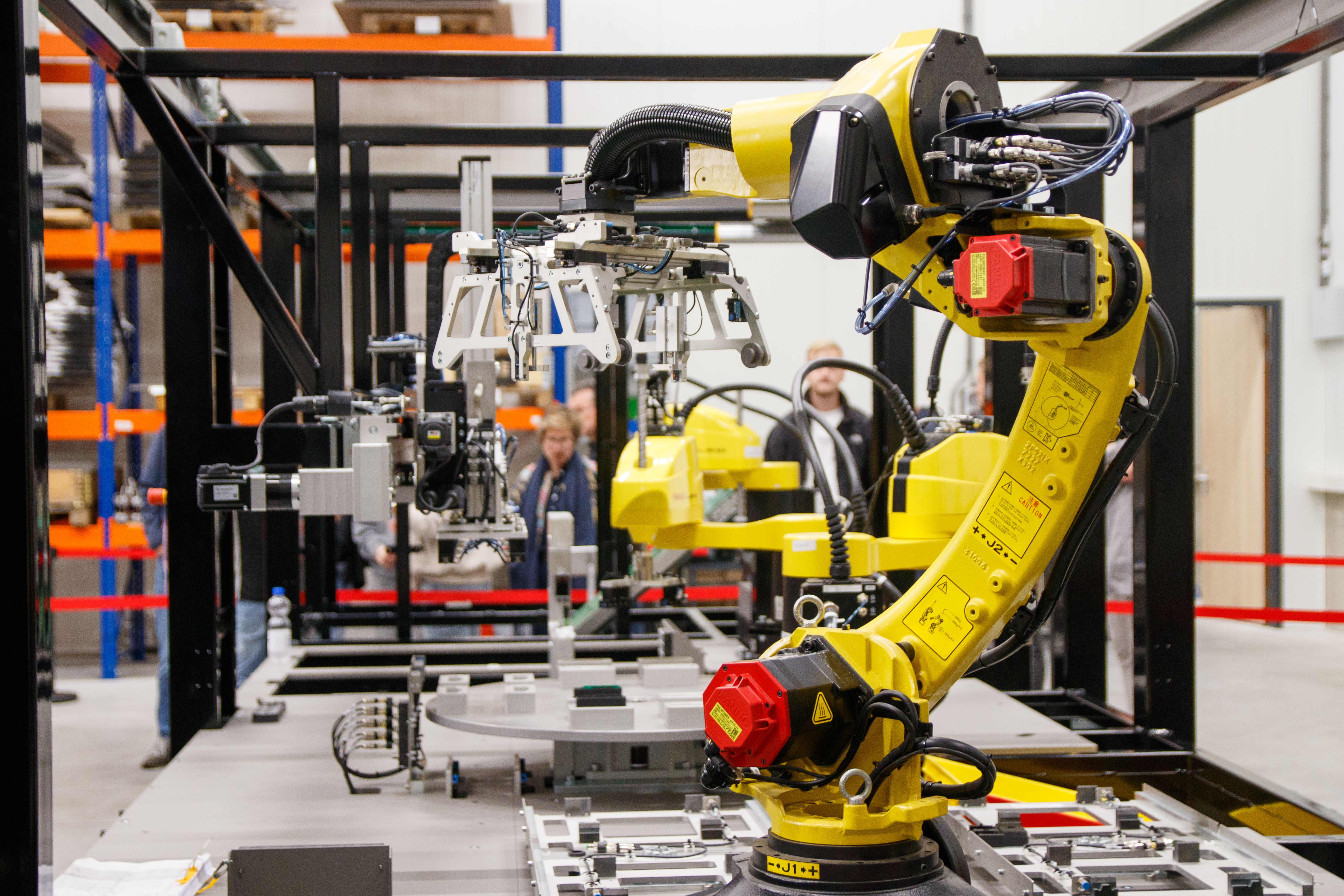
For example, a vertical drilling and tapping machine may be suitable for metal parts that require fast, accurate hole machining. A robotic loading and unloading line may be better when the factory wants to reduce manual handling and keep machines running more continuously. A turnkey CNC production line becomes more suitable when several operations need to be connected into one efficient production flow.
CNC Machine Manufacturer Solutions for Real Production Bottlenecks
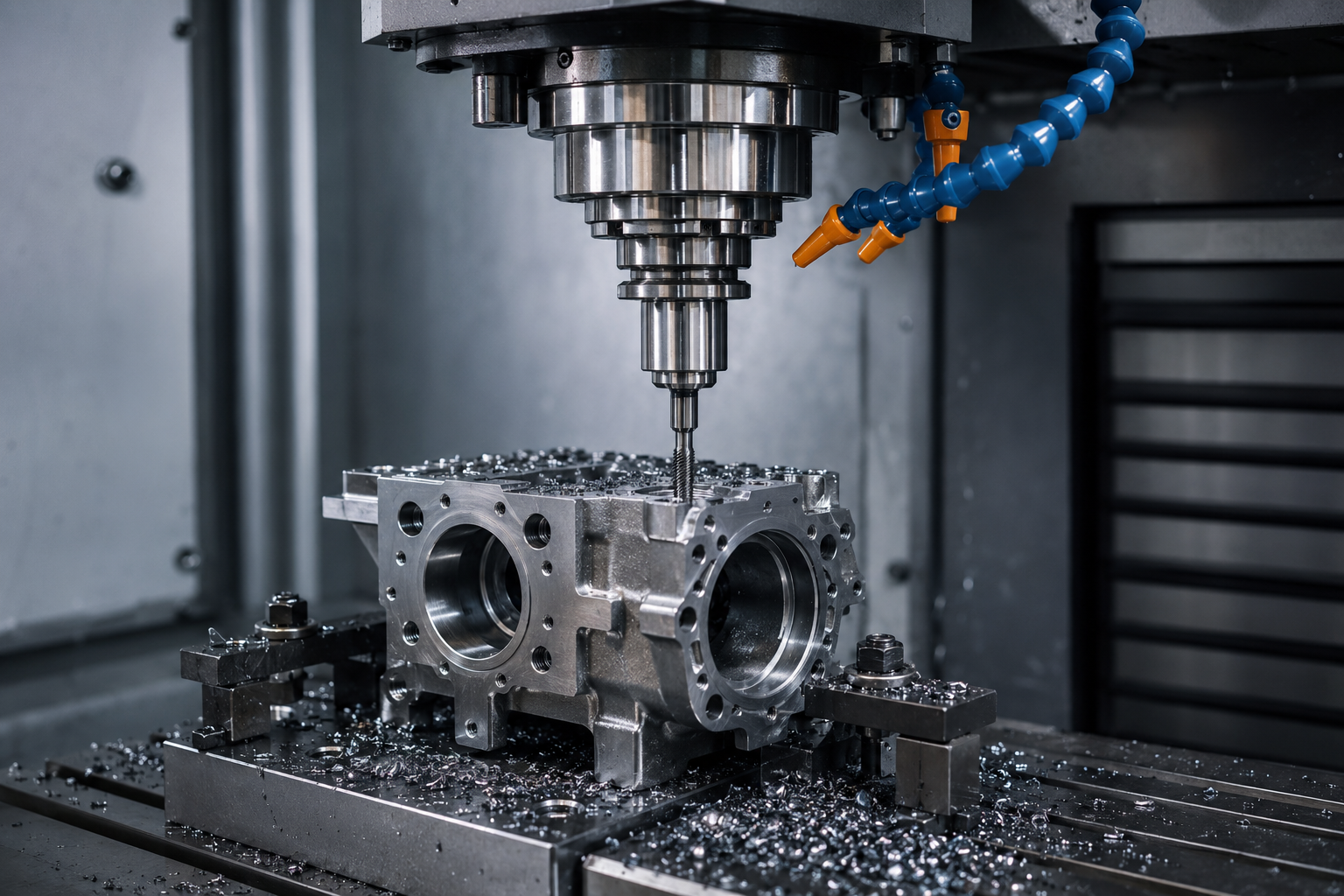
The value of a good supplier is shown in how it solves practical factory problems. Xinmei Intelligent can be positioned as more than a machine supplier because its business covers single machines, special-purpose CNC machines, robotic loading systems, and integrated production line solutions.
For factories with labor pressure, robotic loading can help reduce repetitive manual handling. For companies struggling with inconsistent accuracy, better fixture design and process planning can reduce positioning errors. For manufacturers facing long cycle times, multi-spindle CNC machines or optimized drilling and tapping centers may improve output. For surface treatment processes, robotic grinding and polishing can help stabilize quality and reduce dependence on manual skills.
This kind of solution is especially relevant for manufacturers upgrading from manual or semi-automatic machining to intelligent CNC production. More company background and capability information can be found on Xinmei’s about us page.
What Advantages Should Buyers Look For?
When evaluating a CNC machine manufacturer, buyers should not only ask for a quotation. They should check whether the supplier can support the full production requirement.
A strong supplier should provide:
- Application understanding
The supplier should understand the difference between machining faucet bodies, valve parts, door closer housings, automotive components, and connector parts. - Machine structure stability
Stable machining depends heavily on machine rigidity, movement accuracy, and long-term mechanical reliability. - Fixture and tooling support
Good fixture design reduces repeated clamping error and improves part consistency. - Automation integration ability
For growing factories, robotic loading, multi-machine connection, and production line planning are important for future capacity expansion. - Quality inspection before delivery
The machine should be tested for function, accuracy, assembly quality, and production readiness before shipment. - After-sales and commissioning support
Installation, operator training, troubleshooting, and process adjustment can affect how quickly the machine enters stable production.
For B2B buyers, these factors often matter more than choosing the lowest price. A cheaper machine that causes unstable production may create higher long-term costs through rework, downtime, and delivery delays.
Common Application Scenarios for Xinmei CNC Equipment
Xinmei’s CNC machines and automation solutions are suitable for many industrial production environments. Typical applications include:
- Door closer body machining
- Floor spring and lock hardware parts
- Faucet body and sanitary hardware components
- Brass valve and water manifold production
- Automotive steering, brake, and connector components
- High-volume drilling and tapping of metal parts
- Robotic loading for CNC machining centers
- Automated grinding and polishing for metal surfaces
- Multi-spindle machining for efficiency improvement
- Integrated CNC production line upgrades
These scenarios share one thing: they require stable accuracy and repeatable output. That is why buyers searching for a CNC automation solution should evaluate not only the machine model, but also the supplier’s ability to match equipment with the actual workpiece and production target.
How to Select the Right CNC Machine Manufacturer for Your Factory
Before choosing a supplier, factories should prepare a clear technical requirement list. This makes communication more efficient and helps the manufacturer recommend the right solution.
Important selection questions include:
- What material will be machined? Brass, aluminum, stainless steel, cast iron, or another metal?
- What are the required tolerances and surface requirements?
- Which operations are needed: drilling, tapping, milling, boring, turning, grinding, or polishing?
- Is the goal single-machine replacement or full production line automation?
- What is the expected daily or monthly output?
- Does the factory need robotic loading and unloading?
- Are there existing fixtures, drawings, or sample parts?
- What inspection standard is required before delivery?
If your factory is still comparing machine types, Xinmei’s blog and FAQ page can be used as a reference point for understanding CNC production, automation applications, and equipment selection topics.
FAQ
Q1: What makes a CNC machine manufacturer suitable for industrial production?
A suitable manufacturer should understand real production problems, including accuracy stability, fixture design, cycle time, automation layout, and long-term machine reliability.
Q2: Should factories choose a single CNC machine or a full production line?
It depends on production volume and process complexity. A single machine may be enough for flexible production, while a CNC production line is better for high-volume, repeatable parts.
Q3: Why is robotic loading important in CNC workshops?
Robotic loading and unloading can reduce manual handling, improve machine utilization, and support more stable production rhythm, especially in repetitive machining environments.
Q4: What information should buyers provide before requesting a CNC solution?
Buyers should prepare part drawings, material details, tolerance requirements, production volume, process steps, and automation expectations.
Q5: Can Xinmei support customized CNC automation projects?
Yes. Xinmei Intelligent provides CNC machines, special-purpose equipment, robotic loading systems, and integrated automation solutions for different industrial applications. Buyers can discuss project needs through the contact us page.
A Better CNC Machine Manufacturer Helps Factories Build Long-Term Stability
For modern manufacturers, buying CNC equipment is not just a machine purchase. It is a decision that affects production efficiency, labor structure, part consistency, delivery stability, and future automation capacity. A reliable CNC machine manufacturer should help the factory analyze the workpiece, optimize the process, configure the right equipment, and support installation and production improvement.
Xinmei Intelligent provides CNC machines and automation solutions for manufacturers that need stable machining, practical production planning, and scalable automation. Whether the project involves drilling and tapping, robotic loading, special-purpose machines, or a turnkey CNC production line, the goal is the same: helping factories move from unstable manual-dependent production toward more consistent, efficient, and intelligent manufacturing.