+86 13163919000
 info@xinmeiintelligent.com

When a factory searches for a CNC automation solution provider, the real problem is rarely just machine shortage. More often, the production line is limited by manual loading, unstable cycle time, repeated clamping, inconsistent part quality, or difficulty connecting several machining steps into one smooth workflow.
For manufacturers of door control hardware, bathroom fittings, valves, automotive components, bearing housings, connectors, and other precision metal parts, adding one more standalone CNC machine may not solve the root issue. If the workflow still depends heavily on operators, manual transfer, and repeated setup, production stability remains difficult to control.
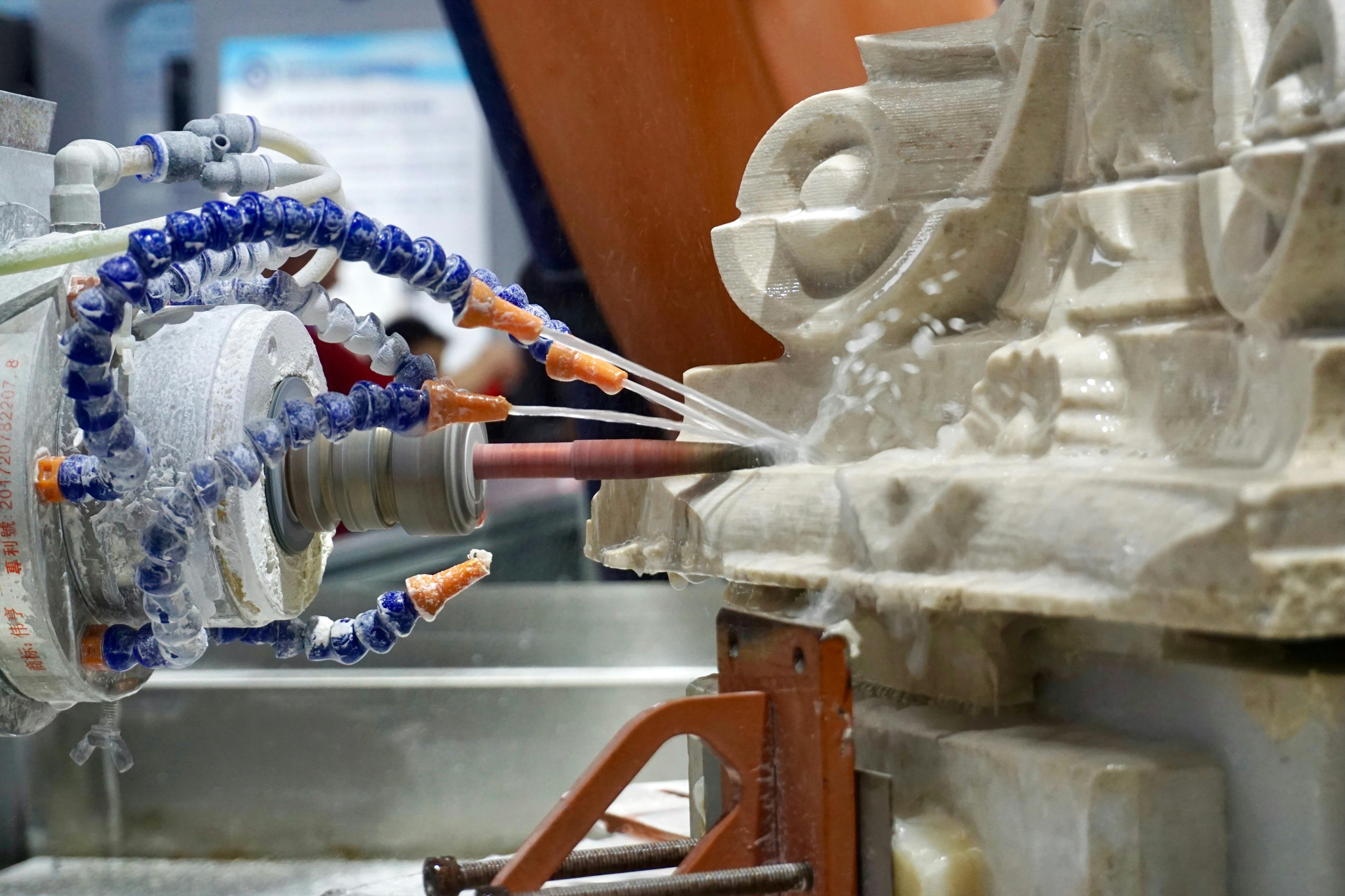
A better approach is to evaluate the full production process: workpiece structure, machining sequence, fixture design, loading method, inspection requirement, and future expansion plan.
Why Manual CNC Production Becomes a Bottleneck
Many factories begin with manual or semi-automatic CNC machining. This works well at the early stage, especially when order volume is small or product types change frequently.
But problems appear when production scales:
- Operators spend too much time loading and unloading parts.
- Machines wait for workers instead of cutting.
- Repeated clamping causes accumulated tolerance errors.
- Different operators create different production rhythms.
- Manual transfer increases scratches, collision risk, and rework.
- Production data is difficult to standardize.
- Capacity expansion requires more labor, not better efficiency.
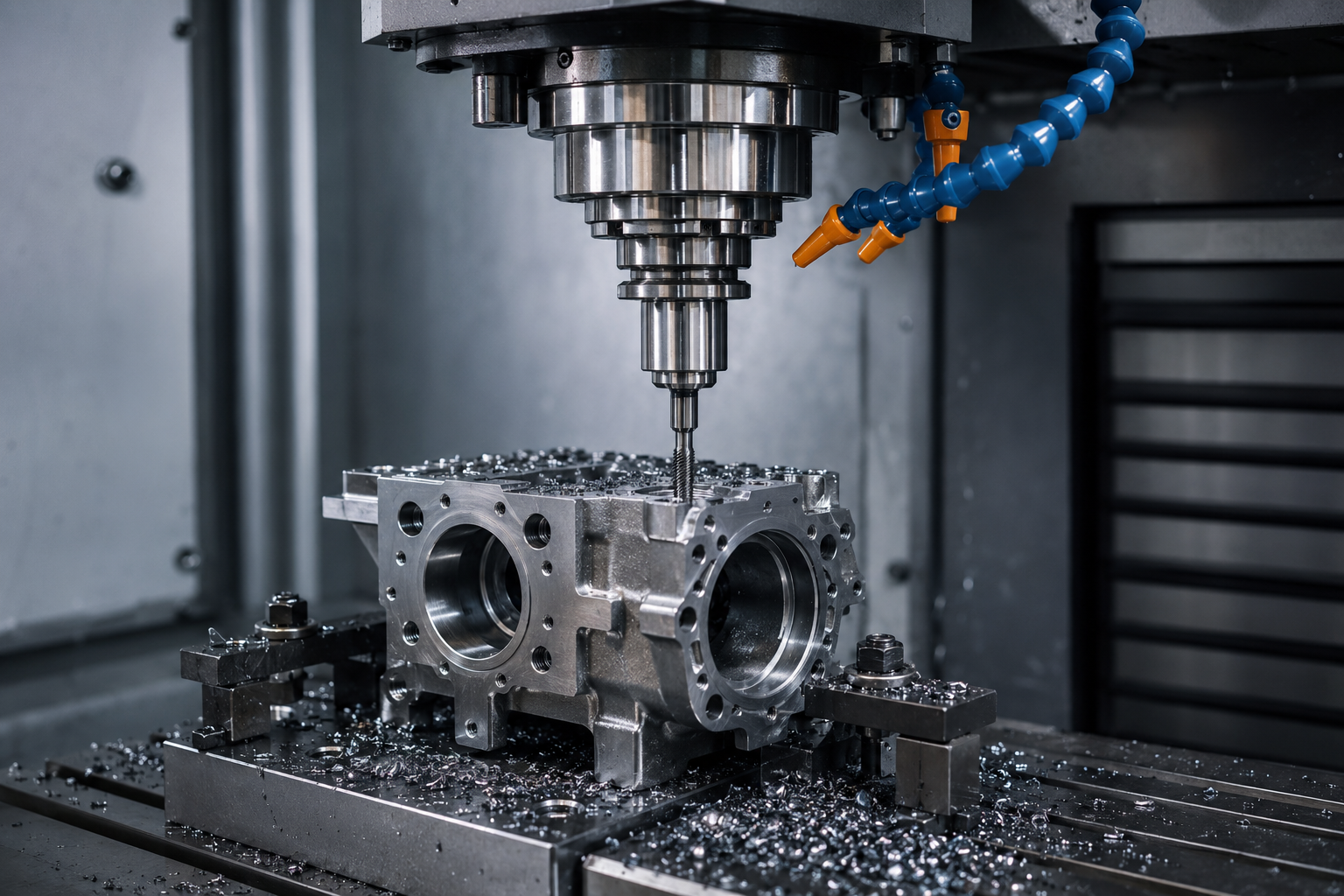
These problems are common in high-volume metal part manufacturing. A faucet body, valve body, door closer housing, or automotive component may require drilling, tapping, milling, boring, and surface finishing. If every step is handled separately, the factory may lose time between processes instead of during the machining itself.
That is why automation should be planned around the complete workflow, not only around one machine.
How CNC Automation Works in Real Production
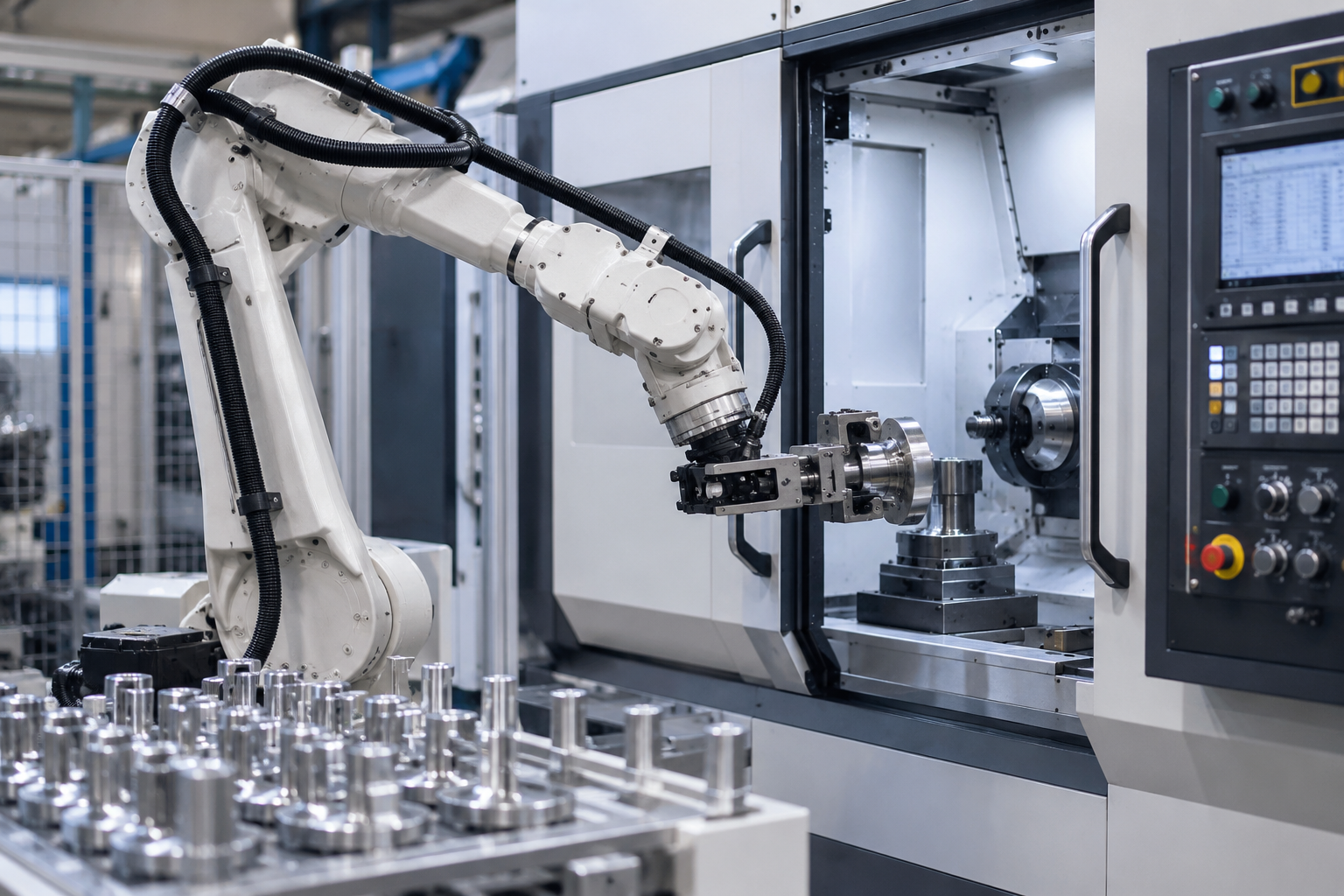
CNC automation is not simply placing a robot beside a machine. A complete system usually combines machines, robots, fixtures, conveyors, sensors, safety protection, inspection logic, and production rhythm planning.
A practical CNC automation system may include:
- CNC machining centers or drilling and tapping machines
- Robotic loading and unloading units
- Custom fixtures and positioning devices
- Workpiece trays, conveyors, or pallet systems
- Tooling and cutting parameter planning
- Safety fencing and interlock systems
- Process monitoring and quality inspection steps
- Multi-machine layout planning
A professional CNC automation solution provider should first understand the part and process before recommending equipment. For example, a small brass valve body may need a different fixture and loading rhythm from a door closer body or automotive steering part.
Xinmei’s About Us page shows the company’s focus on intelligent CNC equipment and automation solutions for real manufacturing environments. This background matters because automation projects depend heavily on process understanding, not only mechanical assembly.
Standalone CNC Machines vs Integrated CNC Automation
Factories often ask whether they should buy more CNC machines or invest in automation. The answer depends on the production bottleneck.
| Comparison Point | More Standalone CNC Machines | Integrated CNC Automation Solution |
|---|---|---|
| Main goal | Increase machine quantity | Improve full production flow |
| Labor demand | Usually increases | Usually reduces repetitive manual handling |
| Production rhythm | Depends on operators | More standardized and repeatable |
| Accuracy control | May vary by setup | Easier to stabilize through fixtures and process planning |
| Expansion logic | Add machines one by one | Build scalable production cells or lines |
| Best for | Flexible, low-volume production | Repetitive, medium-to-high-volume production |
A standalone machine may be suitable for flexible job-shop work. However, if the factory produces similar parts every day, automation can improve machine utilization, reduce waiting time, and make output more predictable.
For buyers comparing equipment types, Xinmei’s Products page provides useful product directions such as robotic loading and unloading lines, vertical CNC drilling and tapping machines, door closer special-purpose machine tools, robotic grinding equipment, multi-spindle machining equipment, and flexible horizontal machining centers.
What a CNC Automation Solution Provider Should Actually Solve
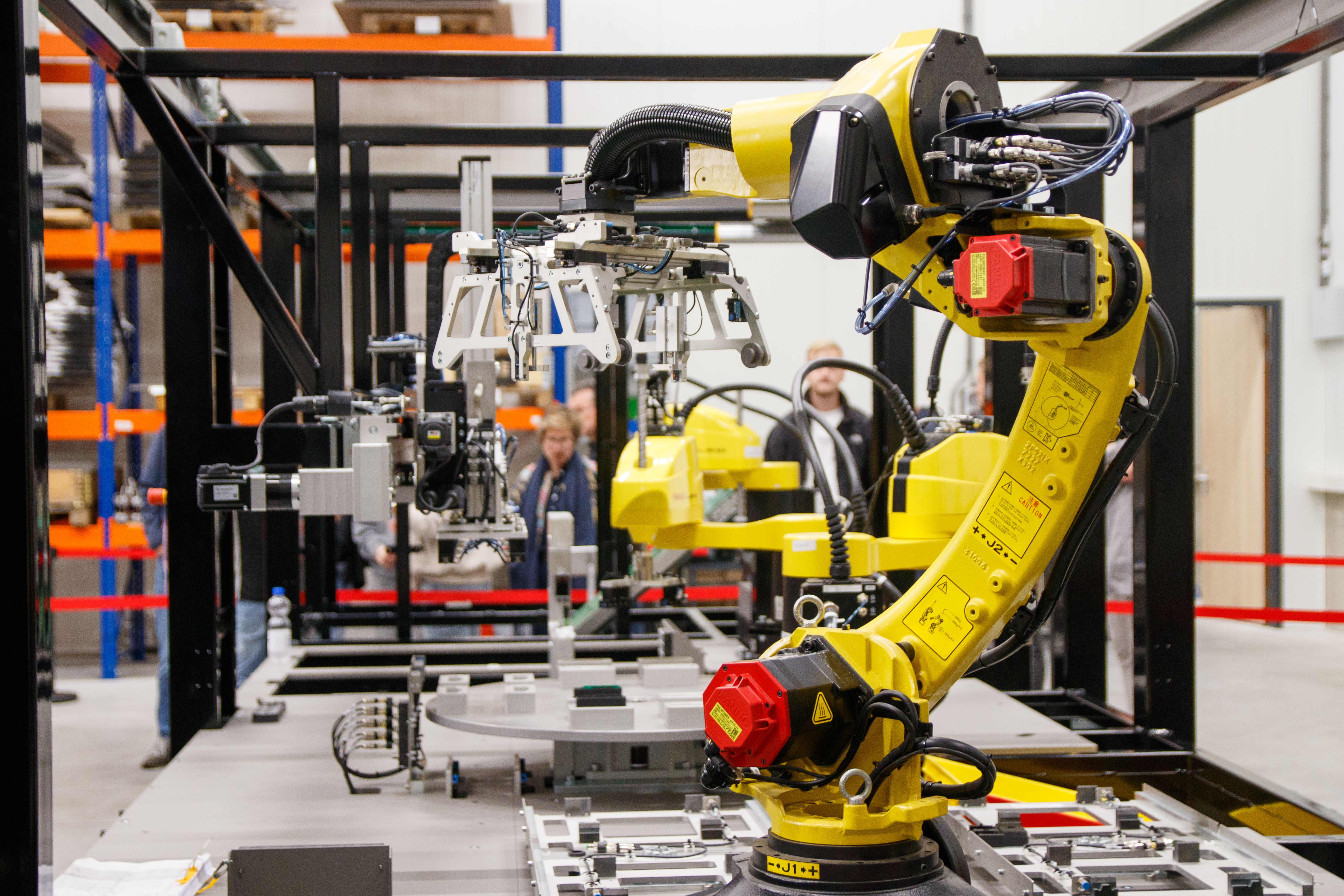
A supplier should not only deliver machines. The value of automation comes from solving production bottlenecks one by one.
Reducing Manual Loading and Unloading
Manual loading is one of the most common hidden costs in CNC workshops. Even when machine cutting speed is high, the machine may sit idle if operators cannot load parts quickly enough.
A robotic loading and unloading line can help create a more stable production rhythm. Robots can transfer parts between trays, machines, and unloading stations, while operators focus on monitoring, inspection, and production management.
Reducing Repeated Clamping Errors
Many precision problems come from moving a workpiece between several machines. Each new clamping step introduces risk.
Automation planning can reduce unnecessary handling by improving fixture logic, combining operations, or connecting multiple steps into a controlled workflow. For parts with strict hole position, sealing surface, or assembly requirements, this can directly improve batch consistency.
Matching Machines to the Real Workpiece
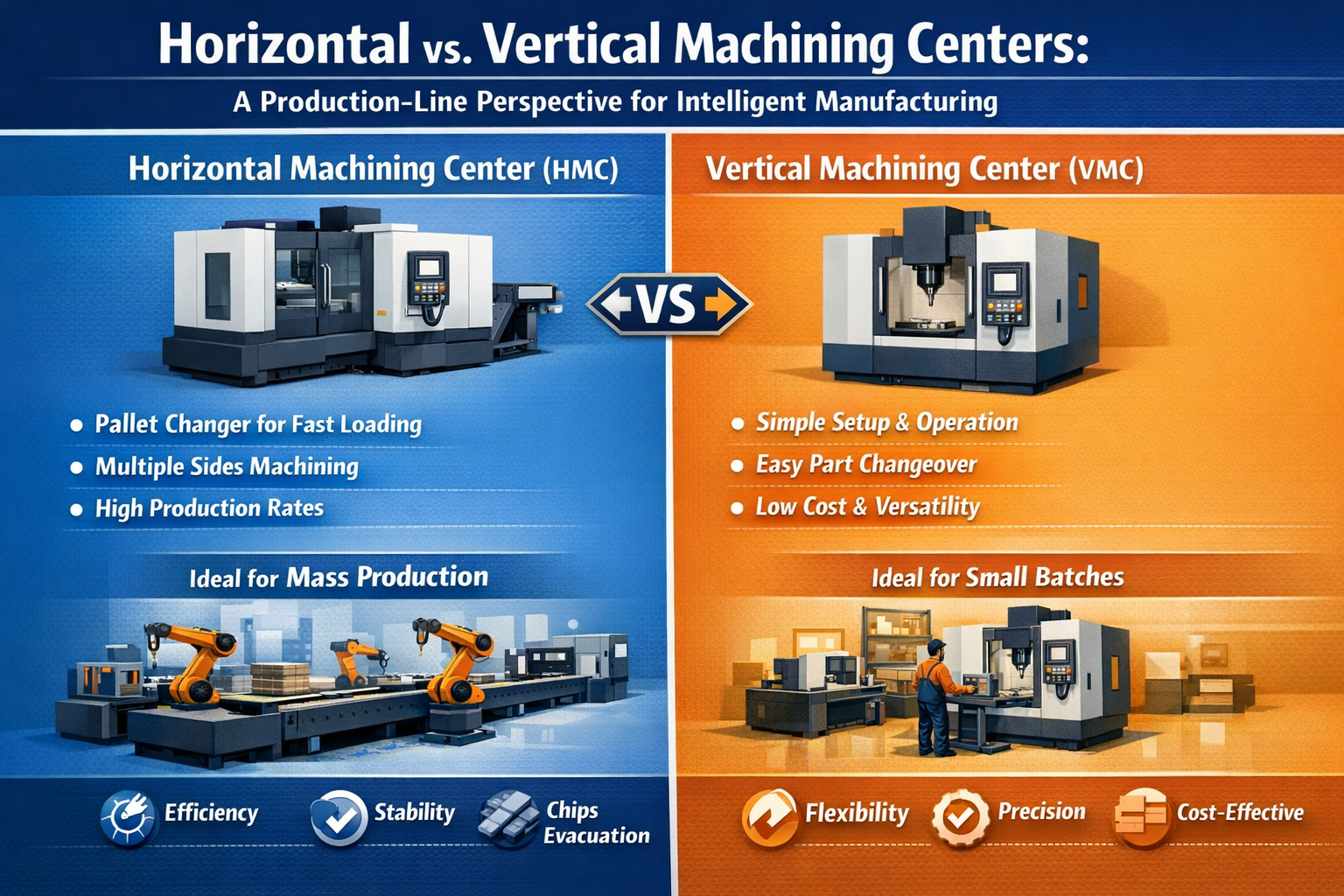
Different parts need different equipment. A vertical drilling and tapping machine may be suitable for high-volume hole machining. A special-purpose CNC machine may be better for door closer bodies or similar housing parts. A flexible horizontal machining center may fit multi-face machining and continuous production.
A strong supplier should recommend the right machine based on the part, not simply promote the same model to every buyer.
Planning for Future Capacity Expansion
Factories often grow in stages. A buyer may start with one automated cell, then expand into a multi-machine line.
If the first automation project is planned well, later expansion becomes easier. If layout, robot access, fixture interfaces, and material flow are not considered early, the factory may need expensive redesign later.
Xinmei’s CNC Automation Solution for Industrial Manufacturing
Xinmei Intelligent provides CNC machines and automation solutions for manufacturers that need stable machining, higher efficiency, and scalable production. Its product range covers CNC drilling, tapping, milling, boring, robotic loading, robotic grinding, special-purpose machines, multi-spindle processing, and integrated production line solutions.
For buyers who want to compare real equipment directions, the Products page is the most direct starting point. For factories still studying machining knowledge, programming, maintenance, fixture selection, or production efficiency topics, Xinmei’s Blog page can support early-stage research before equipment selection.
A good automation project usually starts with technical communication. Buyers can prepare part drawings, production volume, current process flow, tolerance requirements, and automation goals before contacting the supplier.
Advantages of Working With the Right Automation Partner
The right CNC automation solution provider brings value across the full production cycle, not only during equipment delivery.
More Stable Output
Automation helps reduce human variation in repetitive loading, positioning, and process rhythm. This is especially valuable for factories producing the same part in large batches.
Better Machine Utilization
If CNC machines wait too long between cycles, actual output is lower than the machine’s theoretical capacity. Robotic loading and optimized layout can help machines spend more time cutting and less time waiting.
Lower Labor Dependency
Automation does not remove the need for skilled workers. Instead, it reduces repetitive manual work and allows staff to focus on process control, inspection, maintenance, and production management.
Better Quality Control
Automation makes it easier to standardize clamping, movement, cycle sequence, and inspection points. Xinmei’s quality assurance page describes structured control from material and component verification to final machine validation, including inspection, testing, and shipment approval processes.
Easier Long-Term Scaling
Once the first automation cell is stable, similar logic can often be repeated across more machines, part families, or production lines. This makes future capacity expansion more controlled.
Common Application Scenarios for CNC Automation
CNC automation is especially suitable for repetitive metal component production where stability and output matter.
| Application Scenario | Common Pain Point | Suitable Automation Direction |
|---|---|---|
| Door closer body machining | Multi-face machining and repeated clamping | Special-purpose CNC machine with optimized fixture |
| Faucet body production | High-volume brass machining | Drilling and tapping automation |
| Valve body machining | Thread accuracy and sealing surface consistency | CNC machining cell with fixture support |
| Automotive parts production | High repeatability and cycle control | Robotic loading and CNC production line |
| Connector parts machining | Small tolerance and stable positioning | Precision CNC automation cell |
| Bearing housing production | Bore accuracy and continuous output | Horizontal or vertical machining solution |
| Metal surface finishing | Manual grinding inconsistency | Robotic grinding or polishing system |
These applications have one thing in common: the production process must remain stable after hundreds or thousands of repeated cycles.
How to Choose a CNC Automation Solution Provider
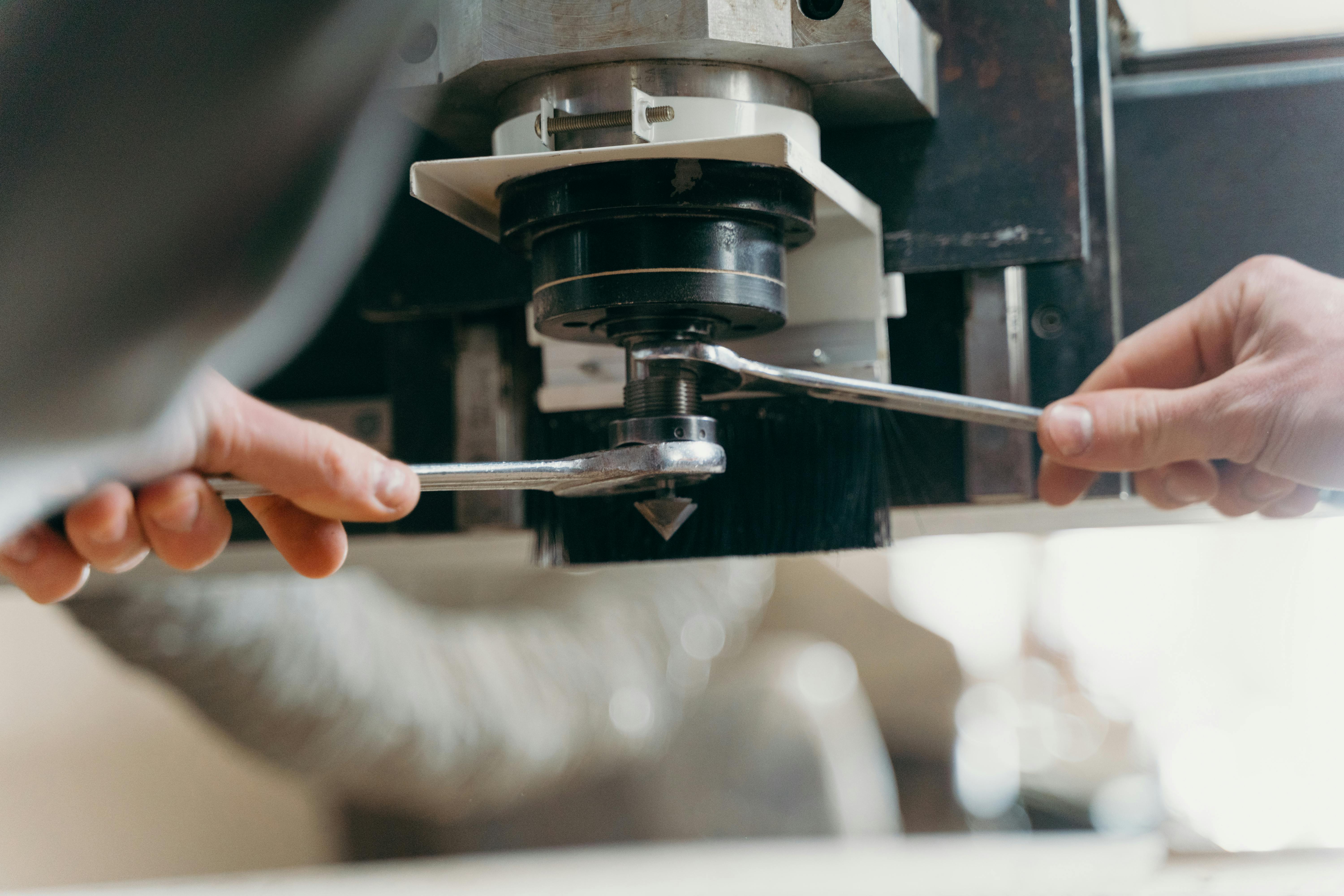
Before choosing a supplier, buyers should evaluate whether the company can support engineering, integration, quality, and service.
1. Check Whether the Supplier Understands Your Parts
A supplier should ask for drawings, materials, tolerance requirements, machining steps, current bottlenecks, and target output. If the discussion stays only at machine model and price, the solution may not go deep enough.
2. Review Product and Integration Capability
A good supplier should be able to match machines, robots, fixtures, and workflow. Buyers should check whether the supplier can support both standalone machines and integrated automation systems.
3. Ask About Fixture and Loading Design
Fixture design directly affects positioning, clamping deformation, loading time, and machining accuracy. In robotic loading projects, fixture design must also consider robot access and safe part handling.
4. Confirm Quality Inspection Process
Quality control should cover assembly, alignment, accuracy validation, functional testing, and delivery inspection. This reduces the risk of receiving equipment that works in theory but fails in real production.
5. Discuss Installation and Training
Automation projects need installation, commissioning, operator training, and process adjustment. Buyers should confirm support before placing an order.
6. Evaluate Communication Speed
A reliable partner should respond to technical questions clearly. For automation projects, poor communication can cause layout mistakes, wrong fixture logic, or delays during commissioning.
For project discussion, buyers can send drawings, current process details, production targets, and automation requirements through Xinmei’s Contact Us page.
FAQ
What is a CNC automation solution provider?
A CNC automation solution provider designs and supplies CNC machines, robotic loading systems, fixtures, production line layouts, and integration support to help factories improve machining efficiency and stability.
When should a factory consider CNC automation?
A factory should consider automation when manual loading limits output, labor cost increases, batch quality varies, machine idle time is high, or production needs to scale.
Is CNC automation only for large factories?
No. CNC automation can start from a single robotic loading cell and later expand into a larger production line. The key is matching the system to production volume and part stability.
What information should buyers prepare before requesting a solution?
Buyers should prepare part drawings, materials, tolerance requirements, current machining process, output target, workshop layout, and automation goals.
Can robotic loading work with existing CNC machines?
In some cases, yes. But the supplier needs to check machine door structure, work area access, fixture position, safety requirements, and communication interface.
How does automation improve machining consistency?
Automation standardizes loading position, handling rhythm, clamping sequence, and process flow. This helps reduce variation caused by manual operation.
What industries need CNC automation solutions?
Common industries include door control hardware, bathroom hardware, valve manufacturing, automotive parts, aerospace connectors, high-voltage connectors, bearing housings, gas appliance components, and metal surface finishing.
Where can buyers learn more before contacting Xinmei?
Buyers can review Xinmei’s Blog and FAQ resources for CNC machining, fixture, programming, maintenance, and production efficiency topics before preparing a project inquiry.
Build Automation Around the Real Production Bottleneck
Choosing a CNC automation solution provider is not about buying the most complex system. It is about solving the right bottleneck: manual loading, unstable positioning, repeated clamping, slow cycle time, inconsistent quality, or limited capacity expansion.
A strong supplier should help the factory understand the part, design a practical workflow, select suitable CNC equipment, plan robotic loading, optimize fixtures, and validate quality before delivery. For manufacturers upgrading from standalone machines to intelligent production, this approach creates better long-term value than simply adding more equipment.
Xinmei Intelligent supports factories that need CNC machines, robotic loading and unloading lines, special-purpose machining equipment, and turnkey CNC production line planning. Buyers can start with the About Us page, compare equipment on the Products page, read technical guidance through the Blog page, and submit project requirements through the Contact Us page.